


Moving to the Upstate: Greer, SC FAQs for 2026 Buyers
Greer, SC sits squarely between Greenville and Spartanburg, making it one of the most active real estate markets in the Upstate region. Buyers moving here often have questions about how the city manages its dual-county layout and rapid growth.
The local landscape features a mix of historic brick buildings, major logistics hubs, and residential neighborhoods expanding toward the mountains. Understanding the local boundaries, tax rates, and commute patterns will help you focus your home search.
Many out-of-state buyers arrive with assumptions based on larger metropolitan areas. The reality of buying property in this specific pocket of South Carolina involves distinct county-level rules and localized infrastructure.
The Upstate region experiences four distinct seasons, with mild winters and warm summers. This climate allows residents to utilize outdoor amenities year-round without the extreme weather disruptions seen in other parts of the country.
This guide breaks down the core elements of living in the area. We will examine housing costs, employment centers, and the daily amenities that define the local lifestyle.
Daily Life in the Upstate Foothills
U.S. Route 29 bisects the city, serving as a primary artery for daily travel and commercial activity. This major thoroughfare connects residential subdivisions directly to shopping centers, grocery stores, and regional highways.
State Highways 14 and 101 also intersect near the city center, creating a web of transportation routes. This grid makes traveling between the northern lakes and the southern industrial corridors straightforward.
Residents enjoy quick access to the foothills of the Blue Ridge Mountains, providing a scenic backdrop for many local neighborhoods. The elevation changes slightly as you move north through the city, offering varied terrain for new housing developments.
Outdoor recreation plays a central role in the local lifestyle. Homeowners spend weekends playing rounds at local golf courses or fishing and boating at Lake Robinson.
Lake Robinson operates as a recreational reservoir covering roughly 800 acres. The city maintains public boat ramps, picnic shelters, and fishing piers, making water access easy for residents who do not live directly on the shoreline.
The city also offers a convenient position for regional travel across the Southeast. Drivers can reach major metropolitan hubs like Atlanta and Charlotte within a few hours via the interstate.
Real Estate Prices and Property Taxes
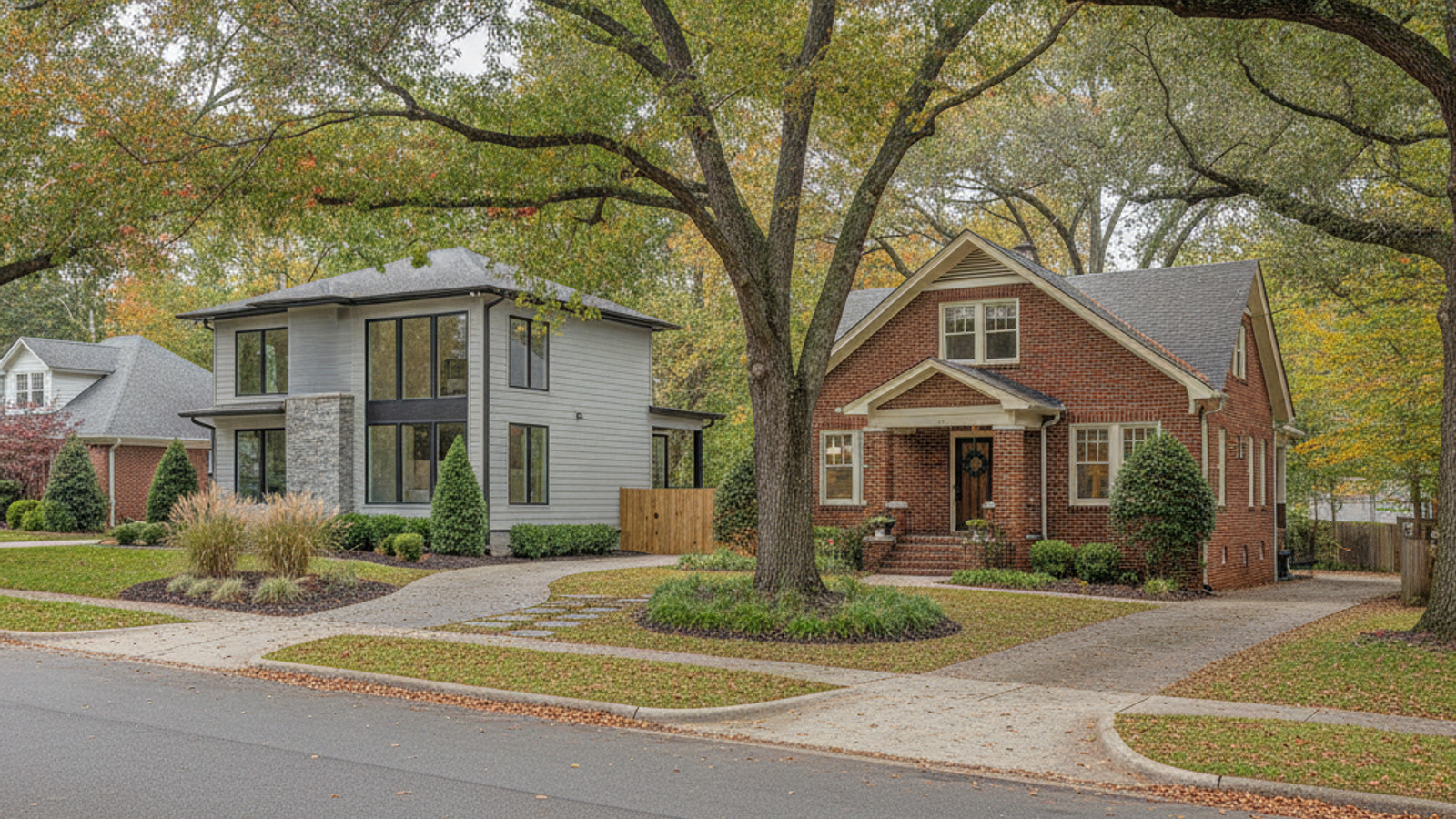
The median home price in Greer rests between $317,000 and $330,000 this year. Buyers will find everything from early 1900s bungalows near the city center to newer construction tracts suitable for a primary residence or real estate investing.
New construction accounts for a large portion of the available inventory on the market. Builders continue to develop former agricultural land into planned communities featuring amenities like community pools, clubhouses, and walking trails.
Buyers should factor homeowners association dues into their monthly budget when looking at these newer subdivisions. Older neighborhoods closer to downtown typically do not have these restrictive covenants or monthly fees.
The city boundaries straddle two distinct jurisdictions, with roughly 60 percent of the area in Greenville County, SC and 40 percent in Spartanburg County, SC. This split directly impacts your annual carrying costs and municipal services.
South Carolina assesses primary residences at a 4 percent rate, which is favorable compared to the 6 percent rate applied to investment properties or second homes. You must apply for this primary residence assessment after closing to receive the lower tax rate.
The effective property tax rate varies depending on your specific address. Greenville County homes carry an effective tax rate of roughly 0.48 percent of the assessed value.
Homes on the Spartanburg County side see an effective rate closer to 0.68 percent. Buyers should calculate these jurisdictional differences when comparing properties across town to ensure accurate payment estimates
.
Major Employers and Daily Commutes
The local economy centers on the automotive and logistics sectors. The BMW manufacturing plant and the adjacent BMW Performance Center serve as massive employment anchors for the Upstate region.
This automotive facility produces thousands of vehicles daily and supports a vast network of secondary suppliers. Many residents work either directly for the plant or for one of the engineering and parts firms located nearby.
Moving freight is just as important to the area as building cars. The inland port connects the I-85 corridor directly to the Port of Charleston via rail lines.
This logistics hub creates thousands of jobs in supply chain management, warehousing, and distribution. Industrial parks line the southern corridors, providing steady employment opportunities outside of traditional manufacturing.
Most residents work within the Greenville-Spartanburg metro area, making regional connectivity a priority. The commute to downtown Greenville typically takes 20 to 25 minutes, though rush hour traffic on I-85 can extend that drive.
For out-of-state travel, the Greenville-Spartanburg International Airport (GSP) operates within the city limits. This facility provides direct flights to major hubs, making business travel straightforward for local professionals.
Public School Zoning Across County Lines
Finding the right school zone requires paying close attention to the county map. Public school assignments depend entirely on which side of the county line a property occupies.
Homes situated on the western side of the city fall under the jurisdiction of Greenville County Schools. This district manages the largest student population in the state and operates multiple campuses within the city limits.
The district regularly updates its attendance lines to accommodate new housing developments. Buyers should verify current zoning maps rather than relying on outdated listing information.
Purchasers buying on the eastern side of the boundary will enroll their students in Spartanburg District 5. This district has seen substantial facility upgrades in recent years to keep pace with residential growth along the I-85 corridor.
You should verify the exact zoning with your real estate agent before submitting an offer. Some neighborhood borders weave across the county line, meaning two houses on the same street could be zoned for entirely different school systems.
Transportation routes also differ between the two districts. Commute times for morning drop-offs can vary based on how closely a subdivision sits to its assigned campus and the local traffic patterns.
Exploring Greer Station and City Center
Greer Station serves as the historic downtown core, spanning 12 blocks of restored commercial space. The brick-paved streets create a walkable environment filled with restored storefronts and mature trees.
The city has invested substantial funds into preserving the architectural character of this district. Visitors will find independent shops, local coffee roasters, and restaurants operating out of buildings dating back to the early 20th century.
The downtown area features several notable attractions and community spaces. These destinations draw visitors from across the Upstate region:
- Greer Heritage Museum: This facility offers exhibits detailing the transition from a textile and railroad town to a modern manufacturing hub.
- The Farmers Market: Operating downtown throughout the warmer months, this market provides seasonal produce and goods from Upstate agricultural producers.
- Greer City Park: A 12-acre public space featuring a central fountain, walking paths, and open green areas for daily use.
An outdoor amphitheater within the park hosts concerts and annual civic events. The Freedom Blast, a major summer celebration, draws thousands of attendees to the city center for fireworks and live music.
Healthcare Access and Local Infrastructure
Residents have immediate access to medical services at Prisma Health Greer Memorial Hospital. This local campus handles everything from emergency care to specialized outpatient services right in town.
The hospital features a dedicated maternity center and intensive care units. Having a comprehensive medical facility within a few miles of most residential neighborhoods provides peace of mind for local homeowners.
Beyond the main hospital campus, the area supports numerous private practices, dental offices, and urgent care clinics. This concentration of medical professionals means residents rarely need to travel to larger cities for routine care.
Public utilities operate a little differently here than in surrounding municipalities. The local Commission of Public Works manages water, sewer, and natural gas services for most city residents.
Consolidating these utilities under one local commission simplifies monthly billing for homeowners. The commission also maintains the water quality for Lake Robinson and Lake Cunningham.
Recreational facilities extend beyond the downtown park system. Century Park provides baseball diamonds, tennis courts, and large playground structures for community use.
The area also hosts large-scale sporting events that draw regional attention. Local golf courses frequently host tournaments like the BMW Charity Pro-Am, bringing professional athletes and spectators to the Upstate.
Greer, SC FAQs
How far is Greer, SC from the beach or Greenville, SC?
Driving to downtown Greenville, SC takes about 25 minutes via U.S. Route 29 or I-85 depending on traffic. If you want to reach the Atlantic coast, expect a four-hour drive to destinations like Myrtle Beach or the Port of Charleston.
What is Greer, SC famous for?
The city is best known as the North American home of BMW, which operates a massive manufacturing plant and the Zentrum visitor center. It also gained recognition for its inland port, which transformed the local logistics industry over the last decade.