


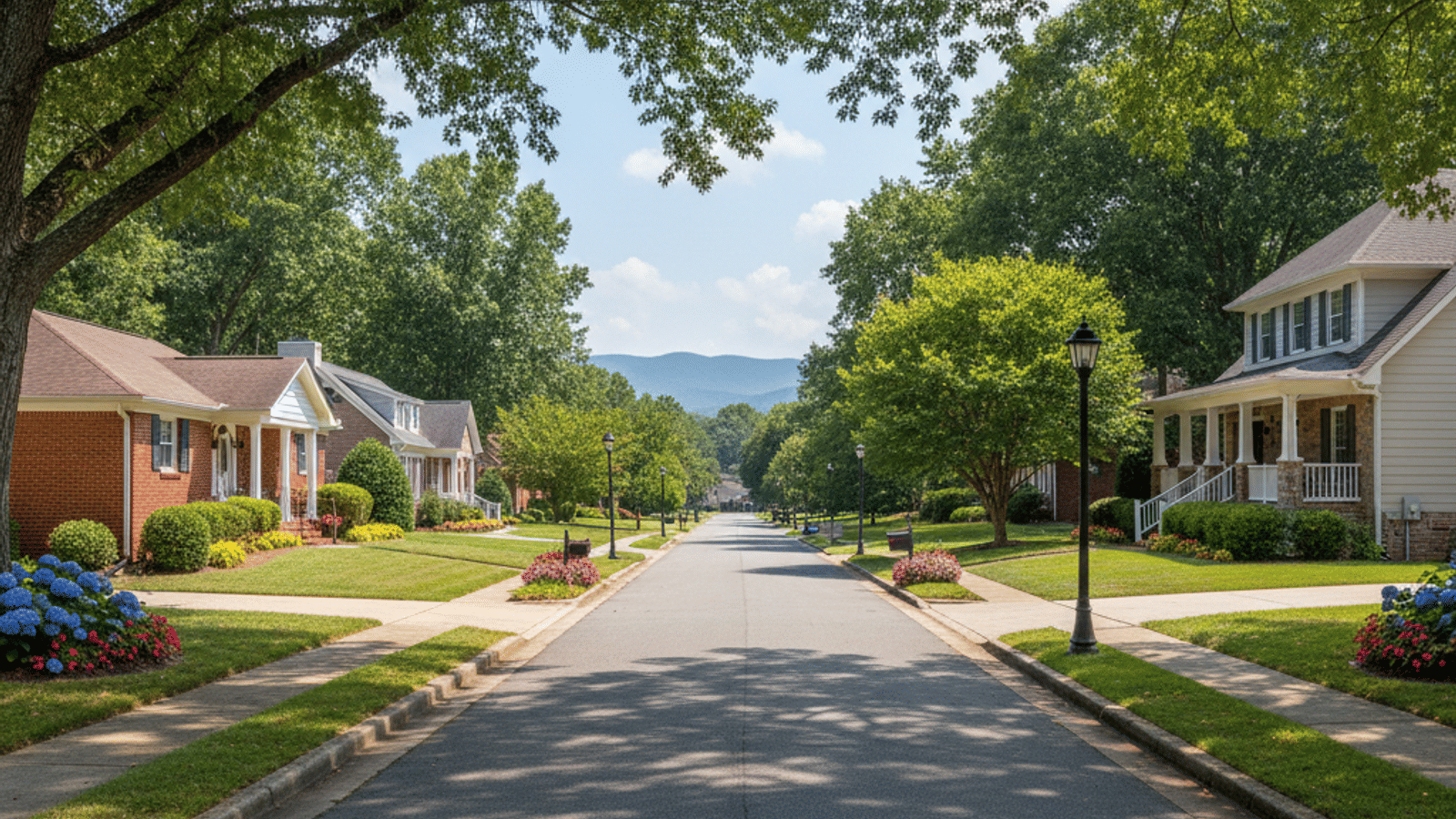
If you’ve been watching the list of “best places to live” in the Southeast, Greenville has probably popped up more than once. The mix is hard to beat: a legit downtown, quick access to the Blue Ridge, and four seasons without the long, punishing winters that push people out of the Northeast and Midwest.
The big question in 2026 is the one everyone asks after they see how fast the Upstate has grown: is Greenville still affordable? In most cases, yes, but the secret is out. Prices have climbed with demand, especially in the most walkable parts of town and the most popular school zones.
Heading into 2026, Greenville still tends to land roughly 8–9% below the national average in many cost-of-living indexes, mainly because housing remains more attainable than in many comparable cities. South Carolina’s tax setup matters too: primary residences are assessed differently than second homes, and the state doesn’t tax Social Security, so two households with the same income can have very different monthly realities.
If you’re also browsing homes for sale in Greenville, this guide will help you understand the real monthly picture: what drives costs up, where you still get value, and the “surprise expenses” newcomers don’t always plan for.
Greenville cost of living overview: how it compares in 2026
Greenville’s affordability isn’t about being “cheap.” It’s about getting a lot of lifestyle for what you spend. You can live in a city with a strong food scene, trails and parks people actually use, and day trips that feel like weekend vacations—without paying big-metro prices.
Compared to other regional hubs, Greenville typically lands as the more budget-friendly option—especially versus coastal South Carolina markets where insurance and housing pressures are more intense. It’s also often easier on the wallet than many parts of Charlotte, particularly if you’re comparing similar home sizes and commute patterns.
The key point: when Greenville feels affordable, it’s because housing and day-to-day expenses stay reasonable enough that you can still enjoy the city—not because everything is bargain-basement.
Housing costs in Greenville: buying vs. renting
Housing is the line item that will make Greenville feel either “wow, this is doable” or “okay, this got popular.” At the end of 2025, the market has cooled from the frenzy years, but the most desirable areas still command a premium.
Buying a home in Greenville
For many buyers, pricing in Greenville tends to land in the low-to-mid $300s as a starting point for a broad “typical” expectation—then it shifts quickly based on location. Close-in neighborhoods near downtown, parks, and trail access generally cost more because inventory is tighter and demand is constant. If you’re willing to live a little farther out, you can often buy more space for the same monthly payment.
Suburbs like Simpsonville, Greer, and parts of Travelers Rest can still feel like value plays for buyers who care more about square footage, newer builds, and quieter streets than being five minutes from Main Street.
Renting in Greenville
Rent is all about lifestyle choices here. If you want to live in a newer building close to downtown, you’re paying for walkability, amenities, and the convenience of being near everything. If you’re open to a short commute, the monthly picture often becomes more comfortable.
As a practical 2026 rule of thumb, many renters see:
- 1-bedroom rents commonly in the low $1,200s to the mid $1,300s, with downtown/luxury units pushing higher
- 2-bedroom rents often in the mid $1,400s to the high $1,500s, again with premium locations and buildings above that
That range gives you a realistic starting point without pretending every neighborhood rents the same.
Two housing costs people underestimate: HOA and insurance
If you’re buying in a newer subdivision, HOA dues can be a non-issue or a meaningful monthly line depending on amenities. A simple neighborhood with entrance landscaping and basic maintenance is one thing; a community with a pool, clubhouse, and trails is another.
Insurance is the other “quiet” cost that has been trending upward nationally. Greenville often benefits from being inland compared to the coast, but homeowners insurance and auto insurance can still move year to year. Build a little cushion into your budget so you’re not surprised by renewal increases.
Utilities in Greenville: what most households actually notice
Utilities are one of Greenville’s bright spots because bills typically feel manageable outside of peak summer. The biggest swing factor is A/C. July and August are when people feel it; spring and fall are when residents remember why they like the Upstate.
A realistic monthly expectation for many homes and apartments is that electric and basic utilities stay reasonable most months, then climb during high-humidity summer stretches. Internet is competitive, and most residents can find a solid introductory rate depending on where they live.
Water is also often described as a “pleasant surprise” for newcomers. Greenville’s water system is known for keeping rates low, which helps prevent the kind of utility stack that makes some cities feel expensive even when rent is reasonable.
If you want a simple planning range for many households, total “basic utilities” for an average apartment often lands somewhere around the mid $100s to low $200s, depending on season, square footage, and how aggressive you run the thermostat.
Grocery and dining costs: everyday prices in Greenville
Groceries in Greenville often run a touch below national averages, but the truth is your total depends far more on your shopping habits than your zip code. If you’re a mix of Aldi/Lidl and standard weekly shopping, your cart tends to stay reasonable. If you lean premium or organic most weeks, you’ll feel the difference quickly—just like anywhere else.
Dining is where Greenville can feel “more expensive,” but only if you’re judging it by downtown Main Street prices. Downtown is a destination, and destination pricing comes with it. The nice part is that you don’t have to leave town to find better value. Once you get away from the most tourist-heavy blocks, casual dining and local favorites tend to be much more budget-friendly.
Transportation and commuting: the real cost of being a “driving city”
Greenville is still largely a driving city. Even if you love downtown, most daily errands in the broader metro are easier with a car. The upside is that commutes are typically manageable compared to major metros, and many residents find the day-to-day driving burden fairly mild.
Gas prices move, so it’s not worth baking a single number into a “2026 guide” that’s supposed to age well. What is worth saying is this: South Carolina often trends cheaper than major metro regions, and Greenville’s commute times generally don’t demand massive fuel budgets unless you’re doing long cross-county drives.
The Greenville “gotcha”: vehicle property tax
This is the one that surprises newcomers. In South Carolina, you pay an annual vehicle property tax (often called an ad valorem tax) tied to the value of your vehicle. It’s part of what you handle to get your registration and sticker. If you’re moving from a state without that structure, plan for it early so it doesn’t feel like a random bill.
Healthcare costs: slightly higher, but access is strong
Healthcare is one category where Greenville can trend slightly above national averages depending on the model you’re looking at, but the more practical truth is that what you pay depends heavily on your insurance plan, network, and provider choices.
Greenville’s advantage is access. The region has major systems, specialists, and a steady pipeline of care options that make it appealing for retirees and families who want strong medical infrastructure without living in a much larger metro.
If you’re budgeting, assume healthcare is not where Greenville “saves you money” the way housing can. It’s more of a “plan carefully and shop your options” category.
Taxes in Greenville: what matters most for newcomers
Taxes are a major reason some people choose South Carolina, especially homeowners and retirees. The details matter here, because Greenville can feel very tax-friendly if you set things up correctly.
Property taxes and the 4% legal residence assessment
The most important concept is the assessment ratio. If the home is your primary residence and you file for legal residence, South Carolina generally assesses it at 4%, which can make property taxes feel surprisingly low. If it’s a second home or investment property, that ratio is typically 6%, and the tax bill can look very different.
This one detail is a big reason two homes with similar prices can have very different monthly “true cost” depending on how they’re used.
Income tax and sales tax (2025 reality)
South Carolina has a graduated income tax that tops out at 6% for tax year 2025. Sales tax is 6% at the state level, and local option taxes commonly push the total higher at the register (often around 7% in many day-to-day situations).
Retiree-friendly note
Social Security benefits are not taxed by South Carolina, which is one reason Greenville remains attractive to retirees building a long-term budget.
What income do you need to live comfortably in Greenville?
This is where people want a clean number, but comfort depends on your housing choice more than anything else. A downtown lifestyle with a premium apartment and frequent dining out is one budget. A suburban home with a short commute and more “cook at home” habits is a very different budget.
As a realistic baseline in 2026:
- A single person renting a 1-bedroom and living comfortably (without feeling squeezed) often targets an income that supports the area’s typical rent range plus a car, insurance, and savings.
- A household buying a home and running two cars generally needs enough margin for mortgage, insurance, maintenance, and the occasional surprise expense—because homeowners live in the world of “things break eventually.”
Greenville’s advantage is that many people can still build that margin here—especially compared to larger metros—without giving up the lifestyle that made them look at Greenville in the first place.
Frequently Asked Questions
Is Greenville, SC expensive to live in?
Greenville is generally considered affordable relative to many U.S. cities. Costs have risen with demand, but most indexes still place Greenville below the national average overall. Housing is the biggest reason it can feel like a value—especially if you’re comparing it to larger metros or coastal markets.
What is the biggest cost of living factor in Greenville?
Housing. Where you live (downtown vs. suburban) and what you choose (new build vs. older home) will drive your monthly budget more than groceries, utilities, or dining.
What should newcomers budget for that surprises them?
Two common surprises are vehicle property tax (the annual tax tied to your car’s value) and the difference property taxes can show depending on whether the home is filed as a primary legal residence (4% assessment) or not.
Is it cheaper to live in Charleston or Greenville, SC?
Greenville is typically more affordable than Charleston, mainly because housing and related costs tend to be lower inland than in coastal markets.
Does Greenville feel affordable day to day?
For many residents, yes—especially because utilities and transportation can be manageable and you can choose a lifestyle that fits your budget. The city can feel pricey if you’re targeting the most premium, walkable downtown housing and dining out frequently, but there are plenty of ways to live here comfortably without stretching.