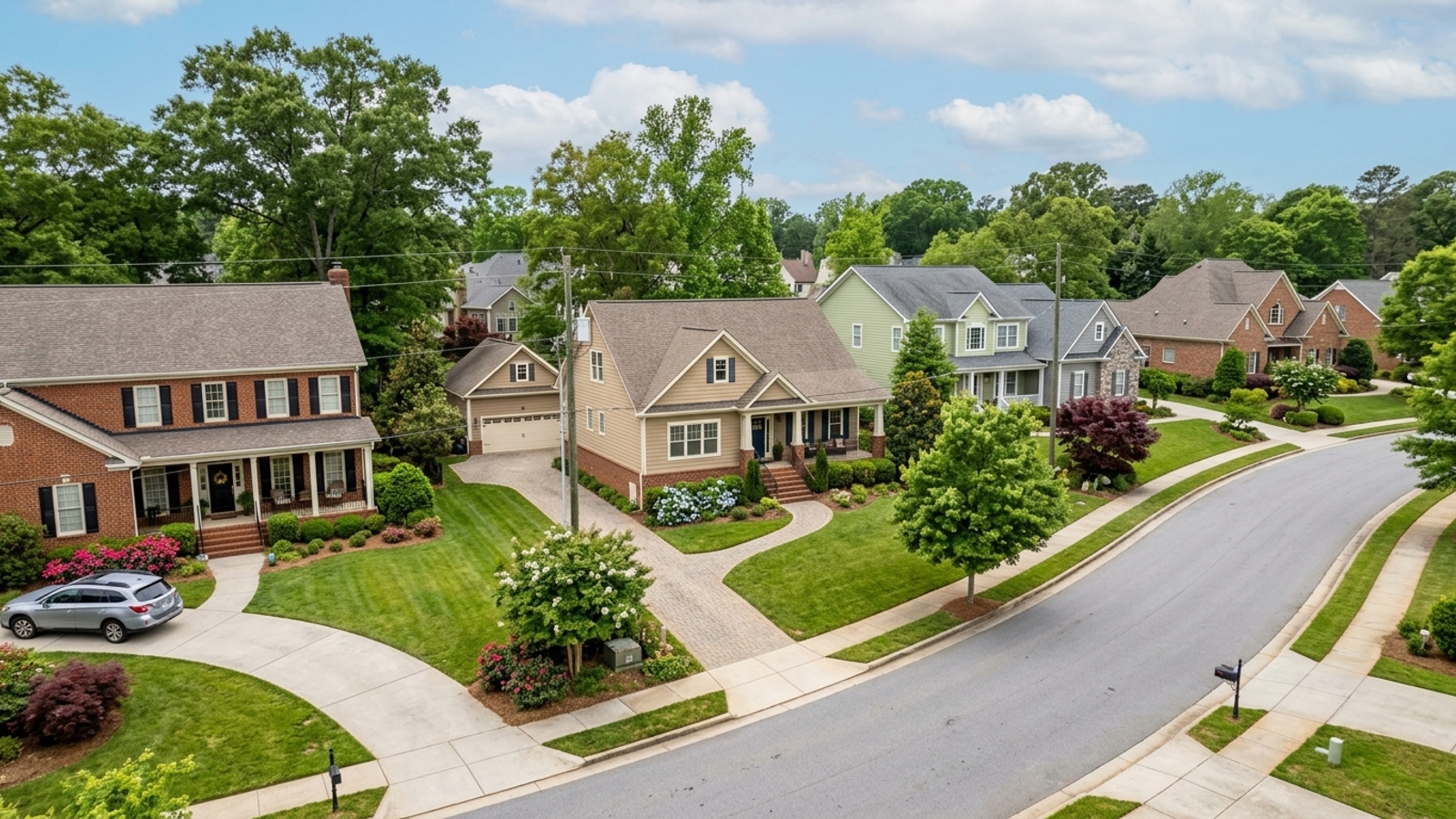
The median home sale price in Greer, SC sits around $328,000, and available properties spend an average of 64 days on the market. With roughly 3.7 months of housing supply currently available, sellers here are working in a balanced market - one where buyers have time to be picky. There are 248 active listings competing for that attention, and the ones that look move-in ready from the moment someone walks through the door are the ones that move.
Preparing a house for the market involves more than a deep clean and fresh paint. Strategic furniture placement, neutral decor, and clear sightlines help buyers visualize their own lives in a space. Whether you hire a local professional or handle it yourself when selling a home in Greer, SC, how you prepare your home's interior directly affects how quickly it sells and what you walk away with.
Why Home Staging Matters for Your Greer Listing
Most listings in Greer sell for approximately 98.1% of asking price. That last 2% - or breaking into the 7.5% of local homes that sell above list - often comes down to presentation. Buyers form an opinion within the first few seconds of seeing your online photos or stepping into the entryway. You don't get a second shot at that.
The 2025 NAR Profile of Home Staging reports that 29% of sellers' agents saw staging increase the dollar value of offers by 1% to 10%. Almost half - 49% of those agents - noted that staging reduced the property's overall time on the market. A well-prepared space gives buyers less reason to start mentally tallying up what they'll need to fix.
How Staging Affects Time on the Market
At 64 days on the market, every week your home sits unsold costs you - mortgage payments, utilities, carrying costs that add up fast. Buyers scroll quickly, and empty rooms or cluttered living spaces rarely make the shortlist. A staged home photographs better, which drives more foot traffic to your open houses and private showings. That's where offers come from.
Changing the Buyer's Perspective
The same 2025 NAR report found that 83% of buyers' agents say staging makes it easier for a buyer to envision the property as their future home. Staging does the work of defining spaces so buyers don't have to guess. A small alcove becomes a clear home office. An empty basement stops being a question mark and starts looking like a secondary living room.
Home Staging Costs in the Greer Area
Staging costs depend entirely on the size of the house and the scope of work. Regional data for the Greenville-Spartanburg metro area shows professional staging averages around $1,800. Statewide data from Houzeo places South Carolina staging costs between $652 and $2,529.
National figures from HomeGuide show a broader average range of $1,500 to $4,000. The variation comes down to the local market, the square footage of the property, and whether the stager is walking into an empty house or one you're still living in.
Price Ranges for Professional Stagers
In nearby Greenville, Angi reports staging projects can run anywhere from $150 to $5,000 depending on the services rendered. If you just want a professional's eye on your existing furniture arrangement, consultation fees typically fall between $150 and $600. Full-service staging sits at the higher end of that range.
Pricing for Vacant Versus Occupied Homes
Thumbtack data for the region shows vacant homes cost more to stage, with starting prices around $2,200. That higher number covers the rental furniture, artwork, and decor the stager brings in. Occupied homes cost less because the professional works with what you already have - rearranging pieces and editing out the clutter rather than sourcing an entire room's worth of furniture.
Deciding Between Professional and DIY Staging
You don't always need to bring in an outside company to get a house ready for the market. Some sellers handle it themselves. Others prefer to hand it off to someone with a fresh set of eyes. The right call depends on your budget, your timeline, and the current condition of your furniture.
With Greer homes averaging 64 days on the market, you need to compete with the other active listings from day one. If your furniture is dated, oversized, or heavily worn, DIY might not get you to the polished look buyers expect at your price point. Be honest with yourself about that.
When to Hire a Professional
Sellers with vacant properties should seriously consider hiring a staging company. A professional brings in modern pieces that fit the scale of your rooms, so the house doesn't read as small or abandoned. Full-service stagers also handle the heavy lifting, delivery, and removal once the property goes under contract - which matters more than people expect.
A Checklist for Staging Your Own House
If you go the DIY route, start by packing away oversized furniture that makes rooms feel cramped. Remove personal photographs, clear all kitchen counters, and swap your lightbulbs for a bright, consistent wattage throughout. Keep decor simple, neutral, and universally appealing - the goal is to put the architecture front and center, not your belongings.
Room-by-Room Staging Strategies
Buyers prioritize certain rooms over others during a showing, and your effort should follow that logic. Real estate agents consistently point to the main living spaces and the primary suite as the highest-impact areas - these are the rooms where buyers spend the most time and do most of their imagining. A focused weekend on these specific spaces can shift how a buyer perceives the entire house.
Updating the Living Room and Kitchen
In the living room, pull furniture away from the walls to create conversational seating arrangements rather than that odd perimeter effect. In the kitchen, clear everything off the counters except for one or two items - a bowl of fresh fruit or a high-end coffee maker works. Dish soap, sponges, and small appliances go in the cabinets.
Refreshing Bedrooms and Bathrooms
The primary bedroom should feel calm and neutral. Crisp white bedding helps, and removing extra dressers opens up visible floor space considerably. In the bathrooms, hang fresh white towels, clear the vanity of all personal products, and replace an old shower curtain with a clean, neutral one.
Maximizing Curb Appeal and the Entryway
Buyers form their first opinion before they ever unlock the front door. Power wash the driveway, lay down fresh mulch in the garden beds, and put a new welcome mat on the porch. The front door should be freshly painted and the house numbers clearly visible from the street - small details that signal the whole property has been cared for.
Clearing Clutter and Personal Items
When selling your home, depersonalizing is genuinely the hardest part for most sellers. Pack away family photos, diplomas, and unique collections before you list. You're creating a blank canvas - something any buyer can picture themselves living in, not a shrine to yours.
Handling Occupied and Vacant Properties
Living in a staged house is a different challenge than preparing an empty one, and each situation has its own logistical friction. Vacant homes often read as smaller than they are because buyers don't have furniture to reference the scale of a room. Occupied homes have the opposite problem - daily life creates visual clutter that pulls attention away from the features you're actually trying to sell.
Staging While You Still Live in the House
Maintaining a show-ready state while managing your daily routine takes real discipline. Decorative baskets are your best friend here - they let you hide mail, remote controls, and pet toys quickly before a last-minute showing. A daily cleaning schedule sounds like overkill until your agent calls with a 30-minute notice.
Using Virtual Staging for Empty Houses
Virtual staging adds digital furniture to photos of an empty house, and it's a cost-effective way to make your online listing stand out and attract clicks. The tradeoff is real: buyers will still walk through an empty house during the in-person showing. Weigh the upfront savings against the impact of that vacant physical tour before you commit.
Local Staging Companies Serving Greer, SC
Greer sits halfway between Atlanta and Charlotte, just 20 minutes from downtown Greenville. That central location gives sellers access to several regional staging companies that know what Upstate South Carolina buyers expect. A local professional isn't just importing a generic aesthetic - they understand this specific market.
A few firms operate directly in the Greer area, and finding the right one means reviewing their past work and making sure their style fits your home's architecture.
Choosing the Right Local Professional
Look for a company with a strong portfolio of homes similar to yours in size and price point. Staging House is a full-service vacant home staging company based in the Upstate that serves Greer, Greenville, Spartanburg, and the surrounding lakes, specializing in outfitting empty properties for the market.
Other Greer-Area Stagers
Organizing & Staging by Julie Shearer is a Greer-based staging and organizing business worth contacting. Key Associates and Fowler Interiors are two interior design firms that also provide staging services to the local market. Looking at portfolios from a few different providers will tell you quickly who's the right fit for your listing.
Home Staging FAQs
Does home staging help sell a house faster in Greer?
Yes. The 2025 NAR Profile found that 49% of sellers' agents reported staging reduced time on the market. With Greer homes averaging 64 days on market, strong presentation helps attract buyers faster.
How much does it cost to hire a professional home stager in Greer, SC?
It depends on the size of the home and whether it's empty. Regional data shows staging averages around $1,800, with vacant homes starting near $2,200 due to furniture rentals. Consultations typically run between $150 and $600.
How do I stage a house I'm still living in versus a vacant property?
When you're living in the home, focus on decluttering and using decorative baskets to hide daily items quickly before showings. A vacant property requires bringing in rental furniture so buyers have visual reference points for the space.
How long does the home staging process take before I can list my Greer property?
It depends on whether you hire a professional or do it yourself. Professional stagers usually need a consultation and a few days to deliver and arrange furniture. DIY staging can take a weekend or several weeks depending on your available time.
Is virtual staging a good alternative to physical staging for Greer real estate listings?
It depends on your budget and goals. Virtual staging adds digital furniture to online photos and is a cost-effective way to drive clicks. The catch is that buyers will still see an empty house when they visit in person.
What are the biggest mistakes sellers make when doing DIY home staging?
Leaving too much oversized furniture in the rooms is the most common one - it makes the spaces feel smaller than they are. Failing to remove personal photographs and everyday countertop clutter is a close second, because it prevents buyers from envisioning themselves in the house.
Taking the Next Step with Your Greer Listing
Staging is one piece of a broader strategy to attract buyers and land a strong offer - not the whole picture, but a meaningful part of it. Understanding your local competition helps you decide how much time and money makes sense to put into preparation.
A local real estate agent can walk through your property and tell you exactly what needs attention, which rooms are worth staging, and who to call to get it done.