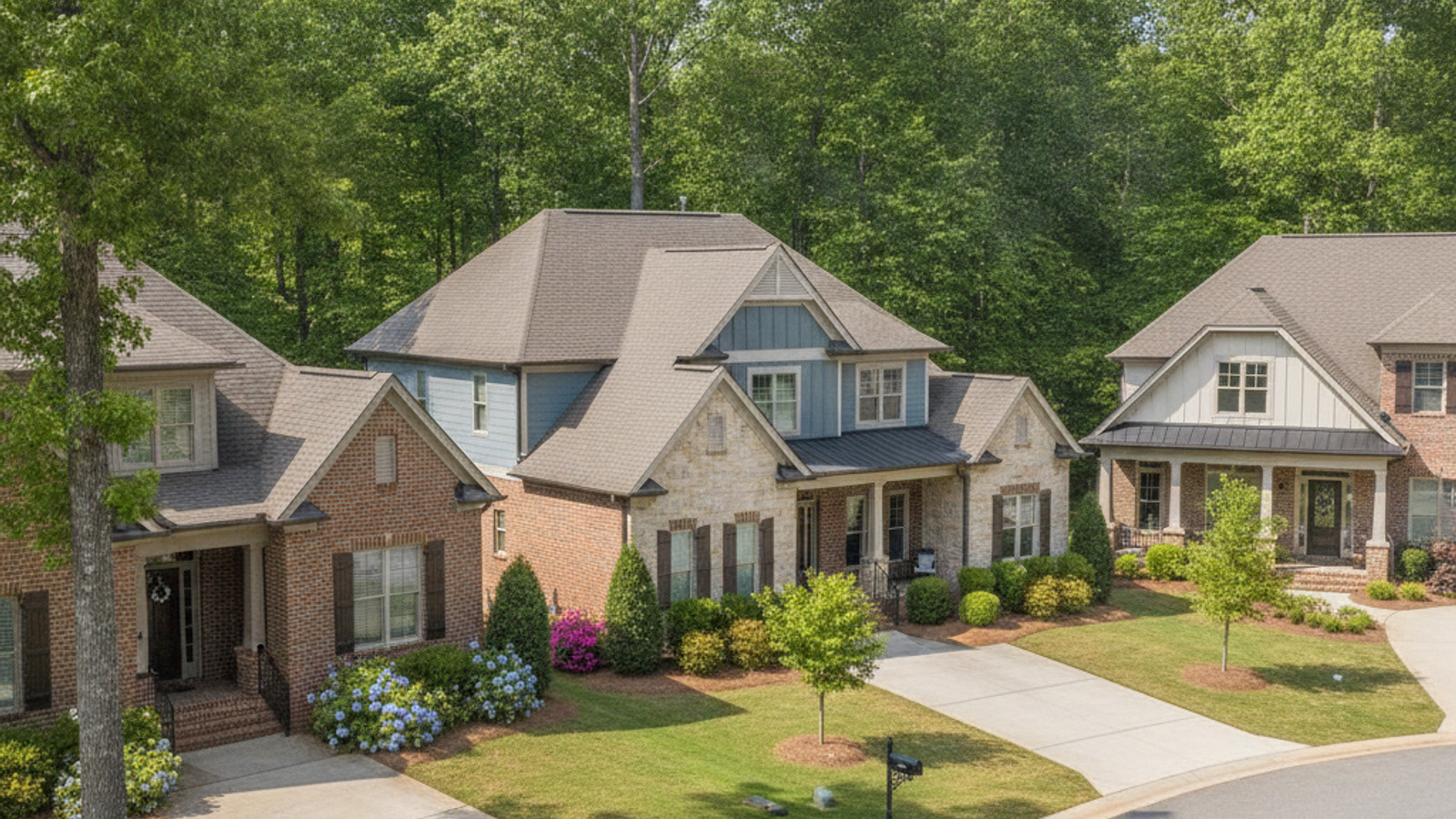
The median home price in Greer, SC is around $335,000, and available homes are spending roughly 65 days on the market before selling. With about 274 homes in active inventory right now, you have real options - but you need a firm grasp on your budget before you write an offer, not after. This is especially true for first-time home buyers in Greer, SC.
Here's what makes Greer a little different from most markets: the city straddles two counties. A home on the Greenville side carries different tax obligations than one just a mile away in Spartanburg County. That split affects your monthly payment, your escrow estimate, and ultimately what a lender will let you borrow. Understanding how lenders calculate purchasing power using local taxes, insurance rates, and statewide assistance programs will save you from a lot of confusion later.
Figuring Out Your Greer Housing Budget
Lenders don't base your approval on the sticker price of the home. They look at your gross monthly income and your current recurring debts, then work backward to the monthly payment you can actually handle - principal, interest, property taxes, and homeowners insurance, all included. To land on that number, they use standard debt-to-income formulas.
The 28/36 Rule Explained
Most conventional lenders use the 28/36 rule as their baseline. The first number, 28%, is the maximum share of your gross monthly income that should go toward housing costs. If your household earns $8,000 a month before taxes, your total mortgage payment shouldn't exceed $2,240.
The second number, 36%, caps all of your debt combined - your new mortgage payment plus whatever you're already paying on car loans, credit card minimums, and anything else. Some loan programs allow higher limits, but staying within these percentages keeps your monthly budget manageable and your lender comfortable.
Calculating Your Debt-to-Income Ratio
Your debt-to-income ratio - your DTI - is simply the percentage of your gross income going toward debt payments each month. Add up your minimum monthly obligations, divide by your gross monthly income, and that's the number underwriters will scrutinize.
If your existing debts are eating up a large chunk of your income, your approved mortgage amount drops accordingly. Paying down credit cards or an auto loan before you apply directly increases your purchasing power. It's one of the more straightforward levers you can pull before you start shopping.
Local Factors That Impact Your Buying Power
A $335,000 house in Greer won't cost every buyer the same amount each month. Your interest rate, your down payment, the specific county your home sits in, and your insurance premiums all feed into the final monthly figure. Lenders factor in exact county tax rates and regional insurance premiums when deciding what you can borrow - so the address matters more than most buyers expect.
Down Payments and Loan Types
The size of your down payment changes your required loan amount and determines whether you'll be required to carry private mortgage insurance. Conventional loans typically call for higher credit scores but offer more flexibility. FHA loans allow lower down payments for buyers who meet the qualifying criteria.
South Carolina has a handful of programs worth knowing about. The 2026 Palmetto Heroes Program provides $10,000 in forgivable down payment assistance for public service workers. The Palmetto Home Advantage program offers forgivable down payment assistance with a statewide income limit of $140,000. And the First-Generation Homebuyer Program provides qualifying buyers with $10,000 in assistance. If you fall into any of those categories, it's worth asking a local lender about eligibility before you assume you're on your own for the down payment.
Mortgage Interest Rates
Even a modest change in your rate alters your monthly payment and shrinks or stretches your purchasing power. Higher rates reduce the maximum loan amount you can comfortably carry; lower rates give you more room.
Check your credit score early - before you start touring homes. Lenders reserve the best rates for applicants with high scores and low DTI ratios, and improving either one takes time you won't have once you're under contract.
Local Property Taxes and Insurance
Because Greer crosses county lines, your exact address sets your tax rate. Greenville County collects an average of 0.66% to 0.75% of a property's assessed fair market value. Spartanburg County rates run slightly lower, averaging 0.64% to 0.68%.
Homeowners insurance varies by provider and coverage level. In Greer, annual premiums generally range from roughly $900 to $2,100. Your lender will estimate both the tax and insurance figures and roll them into your monthly payment to make sure you can qualify for the full amount - not just the principal and interest.
Extra Costs of Buying a Home in Greenville and Spartanburg Counties
The down payment is only part of the cash you'll need to close. There are also administrative and legal fees due at the closing table, and once you move in, ongoing costs that have nothing to do with your mortgage payment.
Budgeting for these expenses before you start shopping prevents the kind of financial surprise that derails a deal at the worst possible moment.
Closing Costs in Greer
Closing costs in South Carolina average about 3.52% of the home's purchase price, though they can range from 2% to 5% depending on the loan type. On a median-priced $335,000 home in Greer, you should expect to bring roughly $11,700 to the closing table to cover those fees.
Those costs go toward the appraisal, property inspections, title search, loan origination, and related services. You can sometimes negotiate with the seller to cover a portion, but don't count on it - have the funds available regardless.
HOA Fees and Ongoing Maintenance
Many subdivisions in the Greer area have Homeowners Associations that maintain common areas and enforce community rules. HOA dues vary widely by development, and underwriters are required to include those monthly or annual fees in your DTI calculation.
Set aside funds for general maintenance too. Replacing HVAC filters, servicing appliances, and handling minor repairs are expenses that fall entirely on you once you own the home.
How to Get Pre-Approved in Greer
Homes in Greer are selling for an average of 98.8% of their list price. Sellers aren't entertaining tire-kickers - they want buyers who can back up an offer with a pre-approval letter showing that a lender has actually reviewed their finances and is willing to fund the purchase.
Get that letter before you start touring. It tells you your exact price ceiling and keeps you from falling for a property that's outside your approved budget.
Gathering Your Financial Documents
Lenders want detailed documentation to verify your income and assets. Expect to provide recent pay stubs, two years of W-2s, two years of federal tax returns, and recent bank statements proving you have the cash for the down payment and closing costs.
Organizing these files before you sit down with a lender speeds up the underwriting process considerably. It also signals that you're a serious buyer, which doesn't hurt.
Finding a Local Lender
A local mortgage broker or lender brings something an out-of-state platform can't: familiarity with the Greenville and Spartanburg county tax split and the ability to estimate your escrow costs accurately from the start. That matters more in Greer than in a typical single-county market.
A local lender will also know the SC Housing Homebuyer Program, which pairs a 30-year fixed-rate mortgage with a 0% interest, forgivable second loan to help cover down payments or closing costs. If you're eligible, that's a meaningful advantage worth pursuing.
Frequently Asked Questions
What salary do I need to afford a median-priced home in Greer, SC?
It depends on your down payment and current interest rates. With the median home price around $335,000, buyers generally need a gross household income between $80,000 and $100,000 to keep the monthly payment within the standard 28% housing ratio.
How do property taxes differ between the Greenville and Spartanburg county sides of Greer, and how does that affect my mortgage?
The county lines directly impact your monthly payment. Greenville County property taxes average roughly 0.66% to 0.75%, while Spartanburg County averages 0.64% to 0.68%. Lenders calculate your monthly escrow requirement based on the exact county where the house sits.
Do any neighborhoods in Greer still qualify for zero-down USDA rural housing loans?
It depends on the specific address. Central Greer doesn't qualify, but some peripheral areas in Spartanburg and Greenville counties still fall within USDA-eligible zones. Verify the property address on the official USDA map before assuming one way or the other.
How much should I factor in for HOA fees when calculating my housing budget in Greer?
It depends on the subdivision. Many developments in the area charge annual dues for common area maintenance, and underwriters must include those fees in your debt-to-income ratio when determining your maximum loan amount.
What are the average closing costs in Greer, SC, and do I need to pay them out of pocket?
Buyers typically pay these out of pocket unless they negotiate seller concessions. Closing costs in South Carolina average about 3.52% of the purchase price - roughly $11,700 on a median-priced home in Greer.
If I get pre-approved for a certain amount, does that include local Greer property taxes and homeowners insurance?
Yes. A full pre-approval factors in estimated taxes and insurance to make sure you qualify for the total monthly payment, not just principal and interest. The lender will apply the specific Greenville or Spartanburg county tax rate and estimate annual insurance premiums, which typically range from $900 to $2,100 in Greer.