


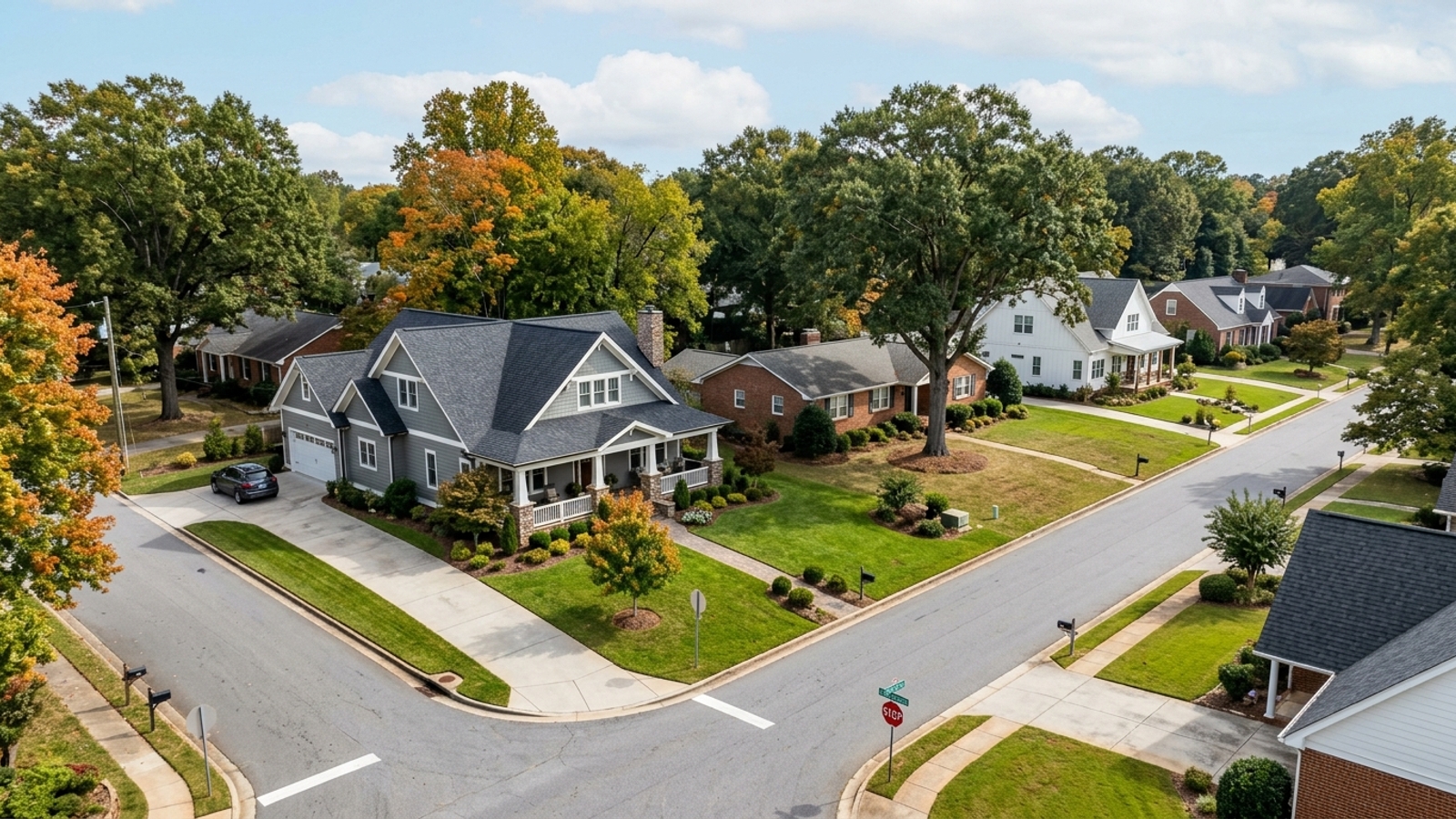
The median home sale price in Greer, SC sits around $328,700, and homes are spending roughly 64 days on the market before selling. With 248 available homes in local inventory right now, first-time home buyers in Greer, SC have options - but financing those options means getting a real handle on how lenders price their loans.
Interest costs shape every transaction in Greenville and Spartanburg counties. Whether you're estimating a monthly payment or deciding where to price a listing, understanding how lenders think will help you make a sound financial decision.
Where to Find Current Mortgage Rates in Greer
Buyers search online for exact financing costs and end up staring at a wide range of conflicting numbers. That's because national finance websites publish daily averages built around specific, idealized borrower profiles that rarely match what real applicants look like.
The only reliable way to know your actual borrowing cost is to request a formal quote from a lender. Once a loan officer reviews your financial details, they'll provide a Loan Estimate document that spells out your specific terms.
Why Lenders Change Rates Daily
Mortgage pricing moves every business day, driven by the bond market - specifically mortgage-backed securities. Lenders adjust their offers in response to inflation data, job reports, and broader economic shifts.
A quote you get on a Tuesday morning might not be available by Thursday afternoon if the bond market moves. Stay in close contact with your loan officer. These shifts happen fast.
How Interest Rates Affect Your Buying Power in the Upstate
Even minor moves in borrowing costs change how much house you can realistically afford. When you're financing a typical Greer home at roughly $328,700, your monthly obligation scales up or down with the interest percentage - sometimes by more than you'd expect.
Property taxes factor into that monthly number, too. Greer properties on the Greenville County side face an effective tax rate of about 0.67%, while those on the Spartanburg County side sit around 0.88%. Which side of the county line a home sits on matters when you're running payment scenarios.
Comparing Payments at Different Rates
For illustration only, consider a $300,000 loan balance. At 6%, the principal and interest payment runs roughly $1,798 per month. At 6.5%, that same loan costs about $1,896. At 7%, you're at $1,995 - meaning a single percentage point adds nearly $200 to your monthly obligation before taxes and insurance enter the picture.
Balancing Home Price and Interest Costs
When borrowing costs rise, buyers often adjust their target purchase price to keep monthly payments in a comfortable range. Looking at slightly less expensive homes can offset a higher rate, and expanding your search to different neighborhoods or considering a townhome instead of a detached house can provide the budget relief you need.
How Different Loan Types Shape Your Monthly Payment
Lenders offer several different loan structures, and each comes with its own pricing model. The program you choose affects both your upfront costs and your long-term monthly obligation.
Government-backed programs often carry different base pricing than standard private loans. Your loan officer will look at your full financial picture to figure out which structure costs you the least overall.
Choosing Between 30-Year and 15-Year Terms
The 30-year fixed loan is the standard choice because spreading the balance over three decades keeps the monthly payment manageable. The trade-off is paying more total interest over the life of the loan - often a substantial amount more.
A 15-year fixed loan typically comes with a lower interest percentage, but the compressed repayment schedule means the monthly payment is considerably higher. It comes down to your monthly cash flow versus what you're willing to pay in total interest.
When an Adjustable-Rate Mortgage Makes Sense
An adjustable-rate mortgage, or ARM, starts with a fixed percentage for an initial period - often five or seven years. After that introductory phase, the rate adjusts annually based on broader financial indexes.
Buyers planning to sell or refinance their Greer home before the fixed period ends sometimes use an ARM to lock in a lower starting payment. It can be a reasonable strategy for short-term residents, as long as you go in clear-eyed about the risk of future adjustments.
Comparing Conventional, FHA, VA, and USDA Loans
Conventional loans work well for borrowers with strong credit and steady income - competitive terms, no mandatory government insurance fees. FHA loans offer more flexible credit requirements but carry permanent mortgage insurance.
VA loans come with favorable terms and zero down payment options for eligible military service members and veterans. USDA loans offer similar zero-down benefits for specific rural areas, though you'll need to meet income limits to qualify.
Steps to Secure the Lowest Possible Interest Rate
You can't control the bond market, but you can control the personal financial factors lenders use to price your specific loan. Underwriters are pricing risk - lower risk means better terms.
Getting your finances in order well before you apply gives you the best shot at favorable pricing. A few deliberate steps here can save thousands of dollars over the life of the loan.
Improving Your Credit Score Before Applying
Lenders save their best pricing for borrowers with excellent credit scores. Paying down credit card balances and correcting any errors on your credit report will move your profile in the right direction.
Don't open new credit accounts or finance a large purchase - a car, for instance - while you're preparing to buy. Both actions lower your score and push your debt-to-income ratio in the wrong direction.
Using Points and Buy-Downs to Lower Your Cost
You can pay discount points at closing to permanently reduce your interest rate. One point typically costs 1% of the loan amount and lowers the rate by a fraction of a percent.
Temporary buy-downs are a different tool - they reduce your payment for the first one or two years of the loan. Sellers sometimes fund these as a negotiating concession, which is worth keeping in mind when you're writing an offer.
Securing Your Quote With a Rate Lock
A rate lock guarantees your quoted borrowing cost for a specific window - usually 30 to 60 days. It protects you if the bond market pushes costs higher while your loan is sitting in underwriting.
Ask your loan officer about their lock policies upfront, including whether they offer a one-time float-down option if market pricing drops before you close.
Choosing a Local Mortgage Professional
The lender you choose affects both your final costs and the day-to-day experience of getting through the transaction. Buyers in Greer have access to national call centers, local banks, and independent professionals - and they're not all equivalent.
Working with someone who knows the Upstate market tends to make for a smoother path to the closing table. Local lenders work with local appraisers and already understand the regional property tax structure - details that matter when your deal is moving fast.
The Value of a Local Upstate Lender
A local loan officer picks up the phone on evenings and weekends, which is exactly when most buyers are actively writing offers. National call centers run on standard weekday schedules, and that gap can delay a pre-approval letter at the worst possible moment.
Listing agents in Greer recognize reputable local lenders. An offer backed by a strong local pre-approval carries weight in a competitive situation.
Understanding Different Types of Lenders
Direct lenders and retail banks underwrite and fund their own loans, which keeps the process streamlined but limits you to their specific product line. Credit unions operate similarly and often offer favorable terms to their members.
Mortgage brokers don't fund loans directly - they take your application and shop it across multiple wholesale lenders to find the best terms. For buyers who want to compare multiple options without filling out a stack of separate applications, a broker can be an efficient path.
What Interest Rates Mean for Greer Sellers
Financing costs drive buyer behavior, which means they directly affect anyone trying to sell. When borrowing costs rise, the pool of qualified buyers shrinks and homes sit longer.
Recent data shows Greer homes are averaging 64 days on the market, with a 98.1% sale-to-list price ratio. Sellers who price accurately from the start are the ones attracting buyers who are already managing tighter monthly budgets.
How Financing Costs Impact Buyer Demand
Buyers think in monthly payments, not purchase prices. If rising costs push a projected payment above their comfort threshold, they'll pause their search or move down to a lower price tier - it's that simple.
Sellers with homes in the median $328,700 range should expect buyers to negotiate carefully on price or ask for closing cost assistance to buy down their rate. That's not a sign of a weak market; it's buyers doing the math.
Pricing Your Home for the Current Market
Overpricing when borrowing costs are elevated is a reliable way to accumulate days on market and eventually take a price reduction anyway. Buyers won't stretch their budgets for a home that doesn't appraise well, and they don't have to.
A competitive initial list price generates more showings and a better chance of receiving an offer close to asking.
Common Questions About Mortgages in Greer, SC
What are mortgage rates today in Greer, SC?
Mortgage rates change daily based on the bond market, so there's no single static number. To see exact current pricing for your specific financial situation, request a Loan Estimate from a local lender.
How much does a 1% difference in mortgage rates cost me when buying in Greer, SC?
It adds up quickly. For illustration only, on a $300,000 loan, a 1% increase adds roughly $200 to your monthly principal and interest payment.
Should I wait for rates to drop before buying a home in Greer?
That depends on your personal timeline and housing needs. Waiting carries the risk that home prices - which currently sit around a median of $328,700 in Greer - could rise and offset any savings you'd gain from a lower rate.
How do I get the best mortgage rate as a buyer in Greer?
Improve your credit score, lower your debt-to-income ratio, and save for a larger down payment. Comparing Loan Estimates from at least two different lenders will also help you land the most favorable terms.
How do I choose a mortgage lender in Greer, SC?
Interview local banks, credit unions, and mortgage brokers to compare loan products and how they communicate. Local professionals carry a real advantage - they're accessible on weekends when you're likely writing offers.
What credit score do I need to get a good mortgage rate in Greer, SC?
You need an excellent credit score to qualify for a lender's best conventional loan pricing. Borrowers with lower scores can still get financing - often through FHA loans - but they'll pay more for it.
How do current mortgage rate trends impact my ability to sell my house in Greer?
Higher borrowing costs reduce buyer purchasing power, which leads to fewer showings and longer listing times. With Greer homes currently averaging 64 days on market, pricing your property accurately from day one is the most effective thing you can do to attract qualified buyers.
Getting Started With Your Upstate Purchase or Sale
Handling a real estate transaction in Greenville or Spartanburg counties means understanding both the local market and the financing options available to you. Professional guidance makes that process considerably clearer.
A local real estate agent can help you evaluate neighborhoods, analyze recent sales data, and connect you with lenders who know this market. Reach out to talk through your goals and start putting a plan together.
Talk to a Local Agent First
A lot of buyers assume they need a pre-approval in hand before they call an agent. They don't. A local agent can review your goals and point you toward lenders who specialize in the exact type of property you're trying to buy - which often gets you to the right lender faster.
Sellers benefit from starting with an agent, too. Understanding how current buyer demand will shape your listing strategy is something recent sales data can answer - and your agent has that data.
Connecting With Trusted Professionals
Agents work with loan officers every day and know which ones close on time without last-minute surprises. They can put together a short list of trusted professionals worth interviewing.
Building a strong local team from the start - lender, agent, the full group - means you have real support from the first showing all the way to the closing table.