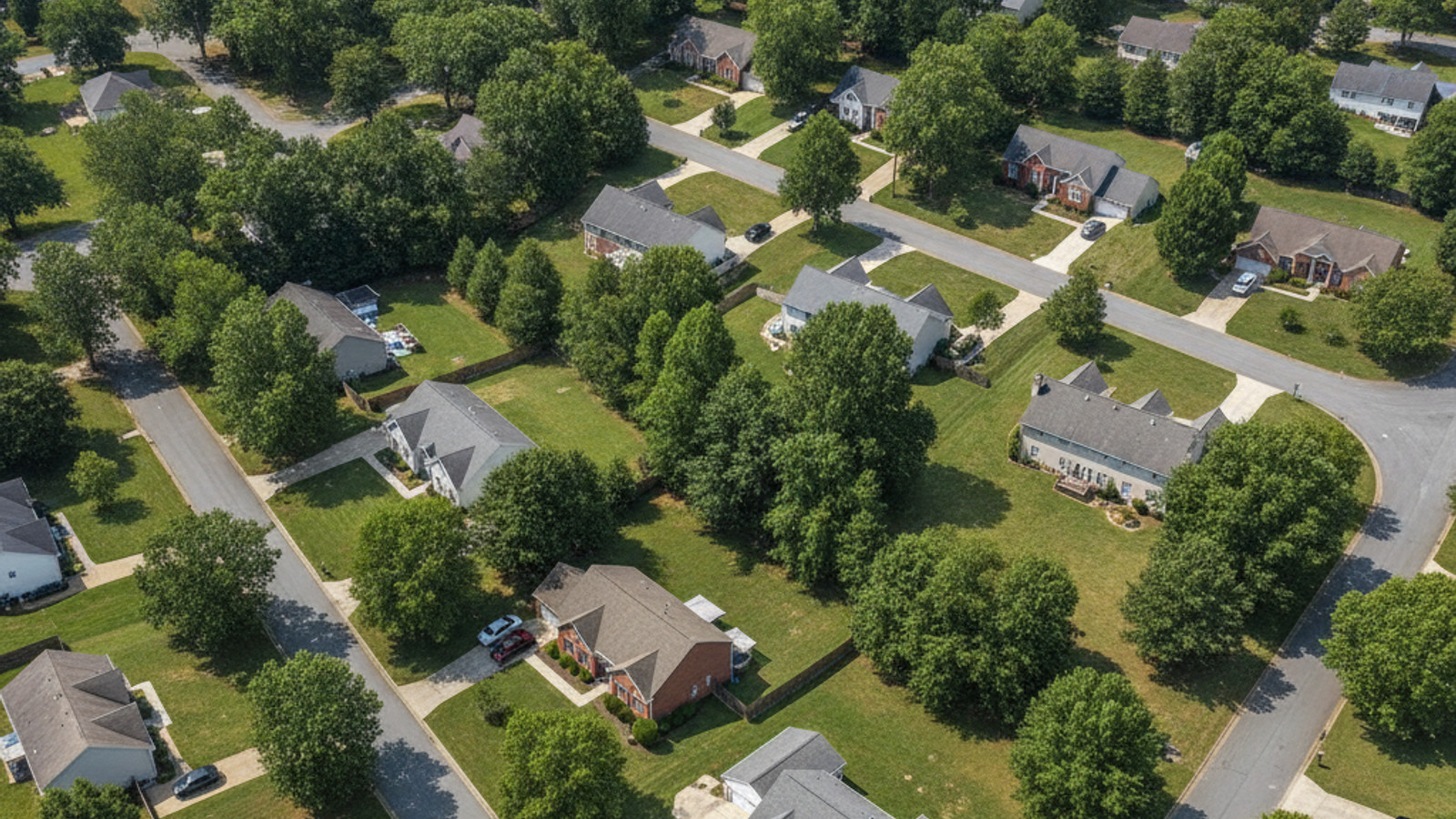
Greer, SC sits between Greenville and Spartanburg, making it a major hub in Upstate South Carolina. The overall cost of living index here runs about 90 to 91, putting it 9 to 10 percent lower than the national average.
That baseline makes the area an attractive option for buyers looking into relocation strategies for the Upstate region. South Carolina's state average index sits around 89, so the cost of living in Greer falls right in line with broader regional trends while offering direct access to major employers.
Buying and Renting Homes in the City
The median home price in Greer, SC sits between $330,000 and $365,000 for 2026. Housing costs are the primary factor keeping the overall index less expensive compared to other parts of the United States.
Rental markets follow a similar pattern for residents moving to Greer. The overall median rent is approximately $1,700, with a one-bedroom apartment averaging $1,325 and a two-bedroom unit running about $1,554.
How the County Line Changes Property Taxes
The municipal boundaries of Greer, SC cross into both Greenville County and Spartanburg County. Buyers should verify the exact county for a property, as identical homes can have different monthly payments based on their jurisdiction.
South Carolina offers a 4% owner-occupied assessment rate for primary residences. Effective property tax rates run around 0.50% in Greenville County and 0.52% in Spartanburg County, though specific taxes in Greer vary by individual millage districts.
Budgeting for Utilities, Food, and Healthcare
Utility bills in the area generally run about 11% lower than the national average. Residents pay for standard municipal services, including electricity, water, and natural gas, with rates varying slightly depending on the provider.
Food and medical expenses also track closely to regional baselines. Groceries are roughly 1% to 2% lower than the national average at local supermarkets. Healthcare costs and insurance premiums remain steady compared to national averages, with multiple regional providers serving the area.
State income tax also plays a role in overall living expenses. South Carolina caps its top marginal income tax rate at 6.4% for 2026, which residents should factor into their net take-home pay calculations.
Daily Commutes and the Regional Job Market
The local economy centers around large-scale manufacturing and logistics facilities. The BMW manufacturing plant and the South Carolina Inland Port serve as major employers within the city limits.
Most residents use Interstate 85 or Wade Hampton Boulevard to reach nearby commercial centers. Commute times remain manageable, and general transportation costs run about 3% lower than the national average.
Air travel requires minimal driving time for local residents. The Greenville-Spartanburg International Airport is located directly in Greer, SC, providing access to regional and national flights.
Parks, Hospitals, and Local Facilities
The municipal infrastructure supports outdoor recreation through several public spaces. Greer City Park and Century Park provide paved walking trails, athletic fields, and open green spaces for residents.
Medical care is accessible directly within the city limits. Prisma Health Greer Memorial Hospital operates as the primary local healthcare facility, offering emergency services and specialized care.
The downtown commercial district features brick storefronts housing local restaurants and retail shops. The layout provides a centralized business corridor that operates alongside the major highway routes.
Frequently Asked Questions
Is it cheaper to live in Greenville or Greer, SC?
Overall living expenses generally run slightly lower in Greer compared to the city limits of Greenville, SC. A buyer looking at a $350,000 budget will typically find more square footage or larger lot sizes outside the immediate Greenville downtown radius.
What salary do you need to live comfortably in Greer, SC?
A single renter should aim for an income of at least $61,200 to comfortably afford the $1,700 median rent without exceeding the 30% housing rule. Homebuyers aiming for a $350,000 house should calculate their target salary based on current mortgage rates and local property tax districts.