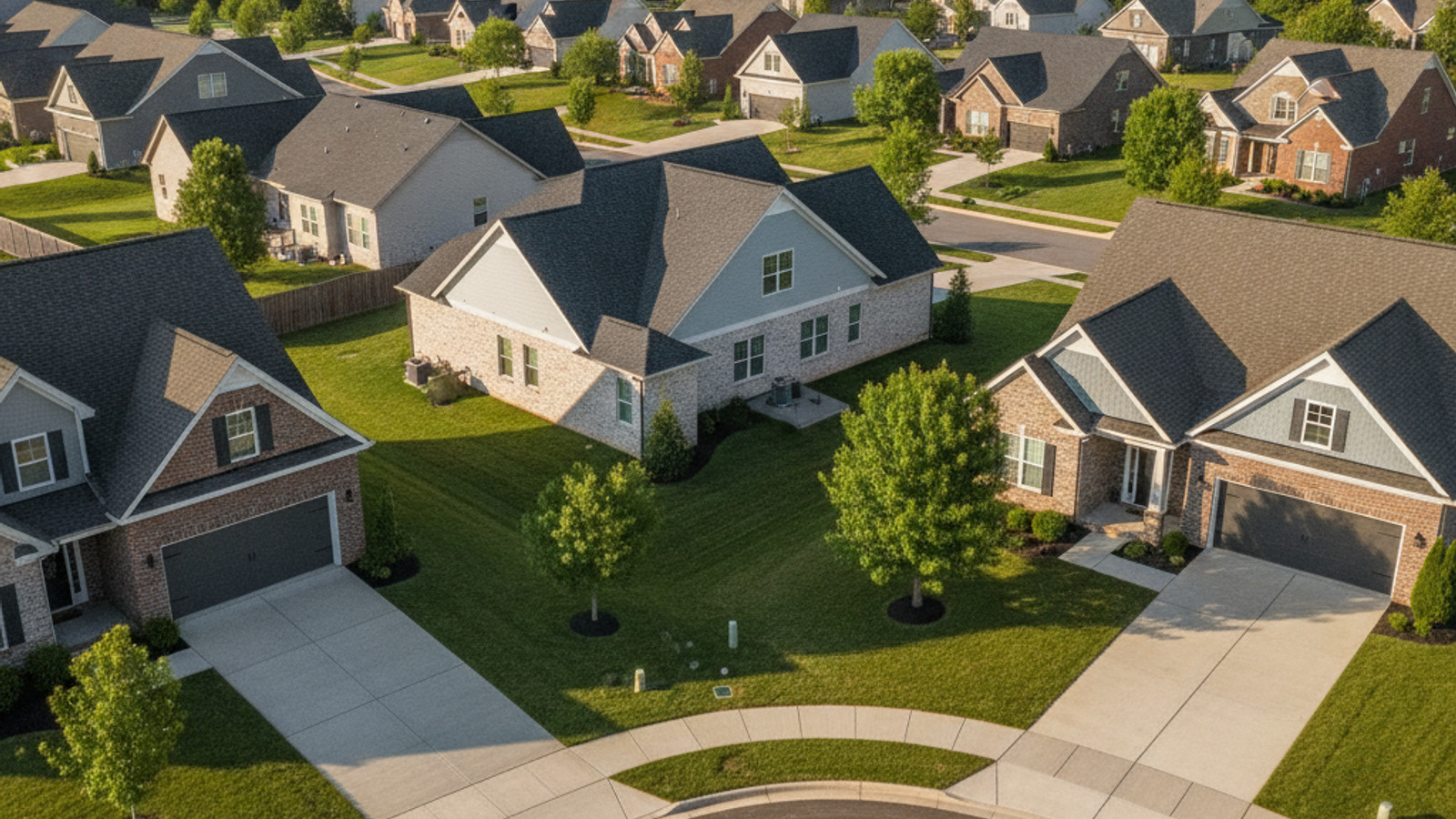
Greer sits right on the border of Greenville and Spartanburg counties in Upstate South Carolina. The city has grown from a quiet railroad stop into a major economic hub anchored by international manufacturing and logistics. Buyers looking at the Greenville-Spartanburg area often focus their search on buying a home in Greer, SC to balance commute times and housing costs.
The local landscape shifts quickly from a historic downtown grid to wide suburban corridors and rolling foothills. Interstate 85 runs through the southern edge of the city, while the Blue Ridge mountains provide a backdrop to the north. This geography dictates daily routines and helps determine where to buy a home.
What to Expect When Moving to the Area
Living in Greer, SC, means balancing access to major employment centers with proximity to outdoor recreation. The city limits span roughly 25 square miles, but the greater suburban area extends much further. The layout is split between the historic downtown center and newer subdivisions pushing outward along the county lines.
A 45-minute drive north puts you on mountain hiking trails, while Lake Robinson and Lake Cunningham sit just outside the northern city limits. The southern half of the city presents a completely different landscape. This area is dominated by industrial parks, the Greenville-Spartanburg International Airport, and major retail centers.
Current Real Estate Market and Home Prices
The median home price in Greer sits between $330,000 and $400,000 as of mid-2026. Prices vary based on the age of the neighborhood, lot size, and the specific school zone. Buyers looking near the downtown core often find historic bungalows and renovated mill homes, while the outer corridors offer large tracts of new construction.
Established neighborhoods like Sugar Creek and Silverleaf feature mature trees, larger lots, and traditional brick homes built in the 1980s and 1990s. These older subdivisions often have optional or lower-cost HOA structures compared to recent builds. In contrast, new developments near Pelham and the Interstate 85 corridor typically mandate HOA fees that cover community pools and lawn maintenance.
Inventory remains tight for properties priced under the $350,000 mark. Buyers searching in this bracket should prepare for competing offers, especially for turnkey homes in established subdivisions. Working out your budget early will help you target the right neighborhoods before scheduling tours.
How Property Taxes Work Across Two Counties
Greer is split down the middle by the Greenville-Spartanburg county line. Your exact street address determines which county government collects your property taxes, manages your trash pickup, and maintains your local roads. This split jurisdiction requires buyers to pay close attention to the fine print on MLS listings.
South Carolina offers a tax reduction for residents who occupy their property as a primary home. Instead of the standard 6% assessment ratio applied to secondary homes and investment properties, owner-occupied homes qualify for a 4% assessment ratio. You must apply for this primary residence exemption through your specific county assessor's office after closing.
Property details can change drastically depending on which side of the line you buy. These county-specific differences matter when comparing homes:
- Greenville County addresses generally have slightly higher property tax rates than Spartanburg County addresses.
- Vehicle property taxes, which are paid annually in South Carolina, also vary based on your county of residence.
- Trash collection and utility providers depend entirely on whether the property falls inside or outside the official city limits.
Local Jobs and Major Employers
The Upstate economy relies strongly on manufacturing and logistics, and Greer sits at the center of this industrial activity. The BMW Manufacturing plant, located just off Interstate 85, employs thousands of local residents and supports dozens of nearby automotive suppliers. This facility represents the largest employer in the immediate area and drives much of the region's housing demand.
Just down the road from the automotive plant, the South Carolina Inland Port handles massive volumes of freight moving by rail from the coast. This logistics hub has created a dense network of warehouse operations and supply chain businesses along the southern edge of the city. The job market here provides consistent opportunities for young professionals, experienced managers, and logistics specialists.
Healthcare is another major economic engine for the region. Prisma Health operates multiple facilities and specialized clinics throughout the Greenville-Spartanburg corridor. Medical professionals moving to the area often choose Greer for its central location between major hospital campuses in both neighboring cities.
Commuting and Traffic Patterns
Commuting from Greer to downtown Greenville takes anywhere from 15 to 25 minutes, depending on your starting point and the time of day. Most residents choose between two main routes: Interstate 85 or U.S. Route 29 in South Carolina, locally known as Wade Hampton Boulevard. Each route presents different daily driving conditions.
Wade Hampton Boulevard serves as the main commercial artery connecting Greer to Greenville. This multi-lane highway is lined with retail centers, restaurants, and car dealerships, resulting in a high density of traffic lights. Rush hour traffic along this corridor slows down considerably, so commuters should factor these delays into their morning routines.
Interstate 85 offers a faster, bypass route for residents living in the southern subdivisions near Pelham. This interstate provides direct access to major employment centers and the Greenville-Spartanburg International Airport (GSP). The airport's location within the city limits makes business travel very convenient, with regular direct flights to major East Coast hubs.
Schools Serving the Greer Area
Public school zoning in Greer follows the county divide, which means neighbors living just a few streets apart might attend entirely different school districts. Buyers with specific educational preferences should verify the zoned schools for every individual property rather than relying on the city name alone.
The school district boundaries are firm and dictate where students enroll from kindergarten through graduation. You can expect the following alignments based on your address:
- Properties located on the west side of the city fall under the jurisdiction of Greenville County Schools.
- Homes situated on the east side of the county line are zoned for Spartanburg District 5.
- High school assignments vary by neighborhood, with students typically funneling into either Greer High or Riverside.
Parks, Recreation, and Downtown Greer Station
The downtown district, known as Greer Station, features a pedestrian-friendly layout with brick-paved sidewalks and restored historic buildings. This area serves as the cultural center of the city, hosting weekly farmers markets and seasonal events. Residents gather here to visit independent restaurants, local boutiques, and specialty grocery stores.
Greer City Park connects directly to the downtown commercial district. This 12-acre green space includes walking trails, an amphitheater, and a large fountain, providing a central gathering place for the community. Century Park, located a short drive away, offers baseball diamonds, a disc golf course, and a large playground structure.
Beyond the municipal parks, the city's location provides easy access to broader regional recreation. Cyclists and runners frequently use the local roads to train for mountain routes, while golfers have access to several public and private courses within a short drive. The balance of municipal amenities and natural landscape makes outdoor recreation a core part of life in the Upstate.
Frequently Asked Questions
Is Greer closer to Greenville or Spartanburg?
The city sits exactly between the two, with its municipal boundaries crossing into both Greenville and Spartanburg counties. Driving to either downtown takes about 20 to 25 minutes from Greer Station. Most residents find they split their time between both major cities for dining and entertainment.
Does Greer, SC, have a downtown?
Yes, the historic downtown is called Greer Station. It features 12 square blocks of restored commercial buildings, brick-lined sidewalks, and dozens of locally owned restaurants. The area operates as a designated historic district and serves as the primary gathering space for community events.
What are the property taxes in Greer, SC?
Tax rates depend on whether your home is located in Greenville County or Spartanburg County. South Carolina allows owner-occupied primary residences to be assessed at a 4% ratio, which keeps annual tax bills lower than the national average. You must apply for this primary residence rate after purchasing the home.