


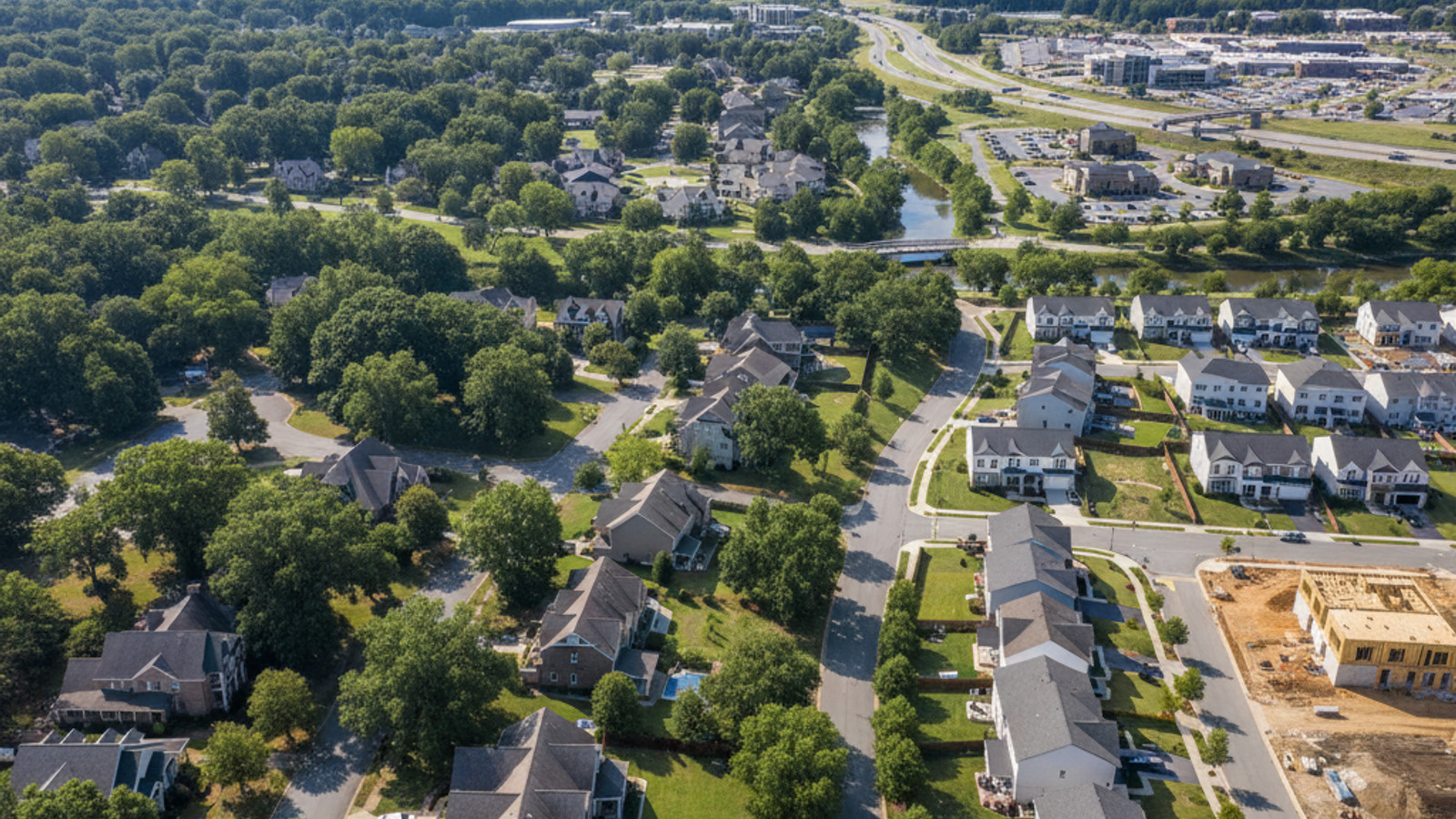
The Greer, SC real estate market has evolved into a highly dynamic environment for both buyers and sellers in 2026. Situated strategically between major economic centers, this Upstate South Carolina city offers a compelling mix of historic properties and expansive new developments. As the region continues to attract steady commercial investment, the local housing supply is adapting to meet diverse residential needs.
Understanding the current housing landscape requires looking beyond surface-level list prices to analyze inventory shifts and local infrastructure. Whether you are evaluating a mortgage application for a downtown townhouse or looking to list a property near the airport, having precise market data is essential for a successful transaction.
The Upstate South Carolina region has transformed over the past decade, and Greer sits right at the center of this economic expansion. Prospective buyers must carefully weigh factors like county zoning, property taxes, and daily commute times before submitting an offer. Sellers need to understand how current active inventory levels dictate their pricing strategy.
The process of buying or selling a house requires a strategic approach tailored to current market conditions. Whether you are a first-time buyer securing a loan or a seasoned investor looking to expand your portfolio, objective market data is your best asset. This comprehensive guide breaks down the essential figures and trends defining the local property landscape today.
Greer, SC Real Estate Market Trends 2026
The 2026 housing market in Greer demonstrates a distinct shift toward a more balanced dynamic between buyers and sellers. The extreme heat of previous bidding wars has cooled, allowing current active inventory levels to provide buyers with enough supply to make calculated decisions. This normalization in the market means that standard inspection and appraisal contingencies are once again common practice.
Homes currently sit on the market for an average of 45 to 60 days before moving to pending status. This extended timeline compared to the historical lows of 2024 means buyers have the opportunity to schedule multiple viewings and conduct thorough due diligence. Sellers must account for this longer marketing period when planning their next move or bridging a new loan.
Tracking the active inventory on the local MLS reveals a healthy mix of newly built subdivisions and established residential properties. Buyers no longer have to compromise on their primary requirements due to an extreme lack of supply.
Sellers should note that the current average sale-to-list ratio hovers around 98%. Market data from brokerages and platforms like Redfin confirms that while buyers have some negotiating room, properly priced homes still command values very close to their initial asking price. Overpricing a home in this climate often leads to extended days on the market and eventual price reductions.
The clear takeaway for this year is that preparation matters more than speed for anyone entering the market. Buyers who secure mortgage pre-approval and clear financing terms early hold a strong advantage when placing an offer. A solid credit score remains the most effective tool for negotiating a favorable purchase price.
This steady supply is exactly what the local housing market needs to maintain long-term stability.
Median Home Prices and Property Types in Greer
Housing costs in Greer vary significantly depending on the specific zip code and property style. The median sold price currently ranges from approximately $330,000 to $380,000 across the city. These figures represent a stabilization in local home prices, offering a predictable baseline for buyers calculating their required down payment.
Buyers exploring the established 29650 zip code will generally find higher price points and mature neighborhoods with larger lots. This area benefits from established tree canopies and proximity to older, well-integrated commercial centers. Properties here often appeal to buyers seeking traditional architecture and minimal ongoing construction noise.
The rapidly expanding 29651 zip code features high volumes of new construction developments and modern townhouses. Builders in this sector are actively adding supply to meet the demand for energy-efficient homes with updated floor plans. This area represents a significant portion of the active listings currently available to prospective buyers.
Property taxes and homeowner association dues are critical financial considerations when calculating total monthly housing costs. New subdivisions in the 29651 area often carry higher average HOA fees to maintain shared amenities like community pools and landscaping. Older homes near the historic downtown center typically avoid these extra monthly charges, though they may require larger budgets for standard maintenance.
Navigating these diverse property types requires a clear understanding of your long-term real estate investing goals. A historic downtown home offers walkable access to local businesses, whereas a modern townhouse provides lower exterior maintenance requirements.
Buyers interested in real estate investing often target properties that require light cosmetic updates to force appreciation. Purchasing a Greer home slightly below the median price and updating the interior can yield strong returns in this stable market. Investors must accurately calculate renovation costs to ensure the final product aligns with neighborhood pricing ceilings.
Commute Times and Major Economic Hubs
Greer benefits from an exceptional transportation infrastructure that directly supports its robust local economy. The city is positioned immediately adjacent to massive regional employers, including the BMW Manufacturing plant and Inland Port Greer. This heavy industrial presence provides a stable employment base that continuously drives demand for local housing.
Residents utilizing major highways like I-85 and US-29 experience highly efficient travel times to neighboring downtown centers. A typical morning commute to downtown Greenville takes approximately 20 to 30 minutes under normal traffic conditions. Reaching downtown Spartanburg requires a similar 25 to 30-minute drive, making Greer an ideal middle ground for commuters working in different cities.
Access to global travel and logistics is anchored by the Greenville-Spartanburg International Airport. Depending on the specific neighborhood, residents can reach the airport terminal in just 5 to 15 minutes.
Sustained job growth in these local manufacturing and logistics hubs directly fuels demand in the real estate market. As new companies build facilities near the inland port, the influx of workers creates a steady need for both rental properties and single-family homes. Real estate investors closely monitor these commercial developments to identify neighborhoods with high appreciation potential.
Properties located within a 10-minute drive of these major employment centers consistently retain strong resale value. Buyers prioritizing short commutes often focus their property searches on neighborhoods bordering the I-85 corridor.
Public transit options remain limited, meaning personal vehicles are essential for navigating the area and commuting to work. Buyers should pay close attention to property features like garage space and driveway capacity when evaluating homes. Sufficient parking is a highly sought-after amenity that directly impacts the daily convenience of a property.
Community Infrastructure: School Districts and Public Parks
The geographic layout of the city is unique because the municipal boundaries straddle two different counties. Evaluating the schools in Greer requires understanding these boundary lines, as residential zoning falls under either Greenville County Schools or Spartanburg County School District 5. Buyers must verify the specific county jurisdiction of an active listing before making an offer, as this impacts both property tax rates and educational zoning.
Real estate listings on the local MLS will clearly define which school district applies to a given property. South Carolina public records also provide interactive maps to help buyers confirm county lines and tax assessment districts.
Public recreational facilities are a major component of the local infrastructure that enhances the daily living experience. Century Park provides residents with extensive sports fields, playgrounds, and paved walking trails. Greer City Park serves as a central gathering space in the historic district, featuring manicured green spaces, a fountain, and a large amphitheater.
Access to these well-maintained public resources adds tangible value to nearby real estate. Homes located within walking distance of these municipal parks often see a premium in their final sale price.
The continued investment by the city into public works projects demonstrates a commitment to long-term community development. Upgraded sidewalks, expanded trail networks, and modernized public facilities all contribute to the overall appeal of the area. This strong civic infrastructure is a key reason why the local housing market maintains its steady momentum.
The municipal government regularly updates local zoning laws to accommodate the growing population while preserving historic districts. These legal frameworks help maintain property values by ensuring new commercial developments do not negatively impact established residential streets. Staying informed about upcoming municipal projects can help buyers choose neighborhoods with the best long-term outlook.
Frequently Asked Questions About Greer SC Real Estate
Is it a good time to buy a house in Greer, SC?
Stabilized inventory in 2026 gives buyers more time to make careful, informed decisions regarding their property investments. With homes staying on the market for 45 to 60 days, buyers can negotiate better terms without the pressure of immediate bidding wars. Securing a favorable mortgage rate early remains essential, and buyers can always explore refinancing options if broader economic conditions shift later.
Is Greer, SC growing?
Sustained economic and commercial expansion continues to define the city year after year. Steady new construction permits and the ongoing success of Inland Port Greer drive consistent job creation in the immediate area. This commercial growth directly supports long-term real estate appreciation across the Upstate South Carolina region.
What is the average rent price in Greer, SC?
Monthly rent for an apartment or single-family home currently averages between $1,500 and $1,650. This stable rental market makes the area attractive for real estate investors analyzing potential cash flow and long-term holding strategies. Prospective tenants often compare these rental costs against current mortgage payments when deciding whether to buy an active listing.
What is the 3 3 3 rule in real estate?
This common guideline describes the transition phases of moving into a new home or neighborhood. It suggests it takes three days to overcome the initial shock of moving, three weeks to establish basic routines, and three months to truly feel settled in the property. Real estate professionals often share this concept to help buyers manage their expectations after a successful closing.