Expert Real Estate Team: Your Trusted Source for Up-to-Date Real Estate Knowledge

Welcome to the Expert Real Estate Team blog! Whether you're a seasoned realtor, a homeowner looking to sell, or a first-time buyer embarking on your real estate journey, we're here to be your trusted source of valuable information. 

Our blog is packed with insightful articles and expert advice on a wide range of real estate topics. We cover everything from market trends and local insights to navigating the buying and selling process, financing options, and homeownership tips. 

Here's what you can expect:

  • Realtors: Stay ahead of the curve with market updates, marketing strategies, legal and regulatory changes, and expert tips to elevate your real estate career. 
  • Sellers: Get inside knowledge on preparing your home for sale, maximizing your return on investment, and navigating negotiations with confidence. 
  • Buyers: Learn about different mortgage options, discover the secrets to successful homefinding, understand local market dynamics, and make informed decisions. 

Our goal is to empower you with the knowledge and tools you need to achieve your real estate goals. We believe in fostering a community of informed and confident real estate professionals and homeowners. 


July 29, 2025

Discover the Best Gated Communities in Greenville, SC


Living in Greenville, SC

Greenville SC keeps showing up on “best‑places” lists because it balances a booming job market with a walkable Downtown Greenville, a backdrop of the Blue Ridge Mountains, and neighborhoods filled with shady green spaces.

Median listing prices hover near $400,000, a figure that’s still friendlier than many other growth markets, even as Greenville County’s population has more than doubled since 1960 to well over half a million residents. 

That steady demand means buyers hunting for homes for sale in Greenville increasingly eye gated communities in Greenville where tree‑lined boulevards, low traffic, and resort‑level amenities shape the daily living experience.

Whether you’re relocating for work in the Upstate tech corridor, chasing outdoor living close to nature, or simply want a Greenville home that feels like a private retreat, there’s a gated neighborhood that fits.

Why Choose a Gated Community in Greenville?

Safety and Security

Pulling through a coded gate after work just feels different, right? The steady beep of the keypad means delivery vans and cut‑through traffic stay outside, so streets stay calm and familiar.

Many Greenville SC gated communities layer cameras at entrance points, rotate security patrols at odd hours, and switch resident codes often enough that porch pirates never get comfortable. Kids pedal the loop without parents shadowing every turn, and evening dog walks feel more relaxed thanks to extra lighting and neighbors who recognize both you and your golden retriever. 

Lifestyle and Amenities

Ask anyone why they chased a home in a gated neighborhood, and they’ll probably say, “the perks.”

We’re talking resort‑style pools with splash pads, pickleball courts that stay lit past dusk, and paved walking trails that wind through green spaces instead of behind shopping centers.

Many Greenville gated addresses drop a clubhouse in the center, perfect for weekend gatherings or a quick workout before the commute. Toss in a community garden, a stocked lake for early‑morning casting, or even a nine‑hole golf course, and the daily routine starts feeling like a low‑key vacation.

It’s the kind of setup where residents have access to great amenities without driving across town, and that seamless blend of play and practicality is hard to beat.

Community Feel and Privacy

Gates do more than slow cars; they shape a neighborhood’s rhythm. Fewer random vehicles mean front porches get used, mailboxes turn into chat spots, and block‑wide chili cook‑offs actually fill up.

At the same time, bigger lots and preserved green buffers keep things quiet when you want to escape with a good book on the back deck. The result is a strong sense of community wrapped in genuine privacy: you’ll know your neighbors’ names, but you won’t hear their phone conversations.

For many buyers, that balance—shared events when you’re up for it, tranquil pockets when you’re not—is the secret sauce that makes Greenville’s gated communities feel like an easy choice for long‑term living.

Top Gated Communities in Greenville, SC

Claremont

Tucked just outside city limits, Claremont offers luxury homes on generous lawns only fifteen minutes from Downtown Greenville and GSP Airport.

The community dedicates twenty acres to recreation—think clubhouse, private playground, walking trails, and a resort‑worthy pool—making it a choice for those seeking a balance of suburban peace and urban access. 

Hartness

Often dubbed a “new village,” Hartness sits on 482 acres with a design that feels more European town than subdivision. Residents have access to a private lake for paddle‑boarding, a grand lawn for community events, lakeside dining at Hotel Hartness, and a sports garden.

With luxury homes ranging from cottages to estate properties, this luxury gated address elevates outdoor living and delivers cutting‑edge wellness amenities. 

Cobblestone

In Simpsonville, Cobblestone’s 149 spacious lots host European‑inspired estates ranging from 4,200‑6,000 sq ft.

Inside the gate, you’ll find a resort‑style pool, tennis courts, and a clubhouse; outside you’re minutes from Woodruff Road shopping. 

Large homesites, mature landscape, and proximity to top schools make Cobblestone a perennial entry on lists of the best gated communities in Greenville. 

The Ridges at Paris Mountain

Perched high above the city, the Ridges at Paris Mountain serves up incredible vistas—75‑mile views on a clear day—plus exclusive, custom residences woven into the hillside.

Residents enjoy access to common gardens, hiking, and a golf‑centric social scene while soaking in sunsets that remind you why the Upstate is special. 

Montebello

Montebello sprawls across 350 rolling acres on Piney Mountain where Tuscan‑ and French‑inspired architecture meets Greenville’s skyline. Club Bella, the private clubhouse, anchors five neighborhood parks, an Olympic pool, bocce and tennis courts, stocked Lake Como, and twelve miles of walking streets.

From luxury estates to villa condos, this Greenville gated enclave is an upscale living option for buyers chasing panoramic mountain backdrops. 

Chanticleer

Bordering the renowned Greenville Country Club golf course, Chanticleer blends classic Southern architecture with mature hardwoods and oversized lots. Prices run from mid‑six figures to multi‑million‑dollar luxury homes, many overlooking manicured fairways.

Quick access to Prisma Health medical campus and downtown restaurants keeps this community high on every “dream home” list. 

The Cliffs Communities: Glassy, Valley & Mountain Park

These sister neighborhoods stretch from Landrum’s mountaintop chapel at Glassy to riverside fairways in Mountain Park. Members can enjoy multiple championship golf courses, a private clubhouse at each location, integrated wellness centers, and miles of Blue Ridge hiking.

Whether you crave yoga above the clouds or pickleball beneath hardwood canopies, the Cliffs deliver adventurous outdoor living with luxurious amenities. 

Acadia

Set along the Saluda River, Acadia mixes cottage, manor, and estate homes under a canopy of pines. Amenities include a riverside pavilion, a Jr. Olympic pool, community gardens, walking trails, and even an on‑site travel concierge.

Regular concerts, kayak days, and youth soccer keep the sense of community vibrant while the forested landscape stays well‑maintained year‑round. 

Plantation Greene

Minutes from I‑385 and major employers, Plantation Greene combines single‑family homes with low‑maintenance townhomes.

Homeowners enjoy a lazy‑river pool, gazebo‑lined parks, and sidewalks connecting every cul‑de‑sac—perfect for buyers who want resort‑style fun without losing daily convenience. 

What to Consider Before Buying in a Gated Community

HOA Fees and Rules

Every Greenville gated neighborhood has a homeowners association that keeps common areas well‑maintained, finances a security gate, and outlines architectural standards.

Fees vary: at Plantation Greene, for instance, dues cover lawn care and the pool complex, keeping the community pavilion and lazy river ship‑shape. 

Property Values and Resale

Because inventory is limited behind the gates, well‑kept neighborhoods tend to hold value even in shifting markets.

With Greenville’s median asking price near $400,000 and demand strong for gated community homes for sale, ownership can offer steady appreciation—especially in master‑planned communities where amenities include golf or water access. 

Access and Convenience

Gates add a minute or two for visitors and deliveries, yet most neighborhoods sit close to major corridors. Claremont residents are fifteen minutes from GSP Airport, while Hartness hugs the I‑85 corridor for a quick commute.

Think about your routine—guests, service pros, even Instacart—and choose the gate system that matches your lifestyle.

Final Thoughts on Gated Living in Greenville

From lakeside evenings in Hartness to mountaintop mornings at Glassy, Greenville’s gated communities offer an array of living options.

You can buy a home that feels like a private resort, complete with tennis and pickleball courts, or settle into a tranquil riverfront cottage where residents have access to kayak launches and greenways. 

The common thread is simple: great amenities, a strong sense of community, and a safe, upscale environment that makes Greenville an even better place to call home.

Ready to hunt for your dream home today? Explore Greenville communities, tour their clubhouses, feel the sense of tranquility, and decide which gated neighborhood feels like the perfect fit for your next chapter.

FAQ’s About Living in a Gated Community in Greenville

Are there many homes for sale inside Greenville, SC, gated communities right now?

Inventory shifts with the season, but listings for gated community homes in Greenville regularly appear in price bands from $300,000 up to the multi‑million range for custom estates. 

How much do HOA dues cost in a luxury gated neighborhood?

Fees start near $150 per month in smaller gated neighborhoods and rise into the mid‑hundreds where amenities include golf courses, wellness centers, or access to a private lake.

Always factor dues into your monthly payment before you buy a home.

Do Greenville gated communities allow short‑term rentals?

Most HOAs restrict rentals to preserve a close‑knit atmosphere; some ban them outright. Review covenants carefully if you plan to rent out your home in a gated community.

Can I find walking trails and green spaces in Greenville’s gated neighborhoods?

Yes. Hartness, Acadia, and Montebello weave miles of paths, parks, and green spaces into their master plans, giving residents adventurous outdoor routes without leaving the gate.

What makes gated communities offer better resale value?


Limited access, well‑maintained amenities include clubhouses and luxurious amenities like resort pools or golf, and the perception of safety together support long‑term demand, which in turn supports property values.
Posted in Buying
July 26, 2025

3 Smart (and 3 Dangerous) Ways to Give Your Kid Real Estate

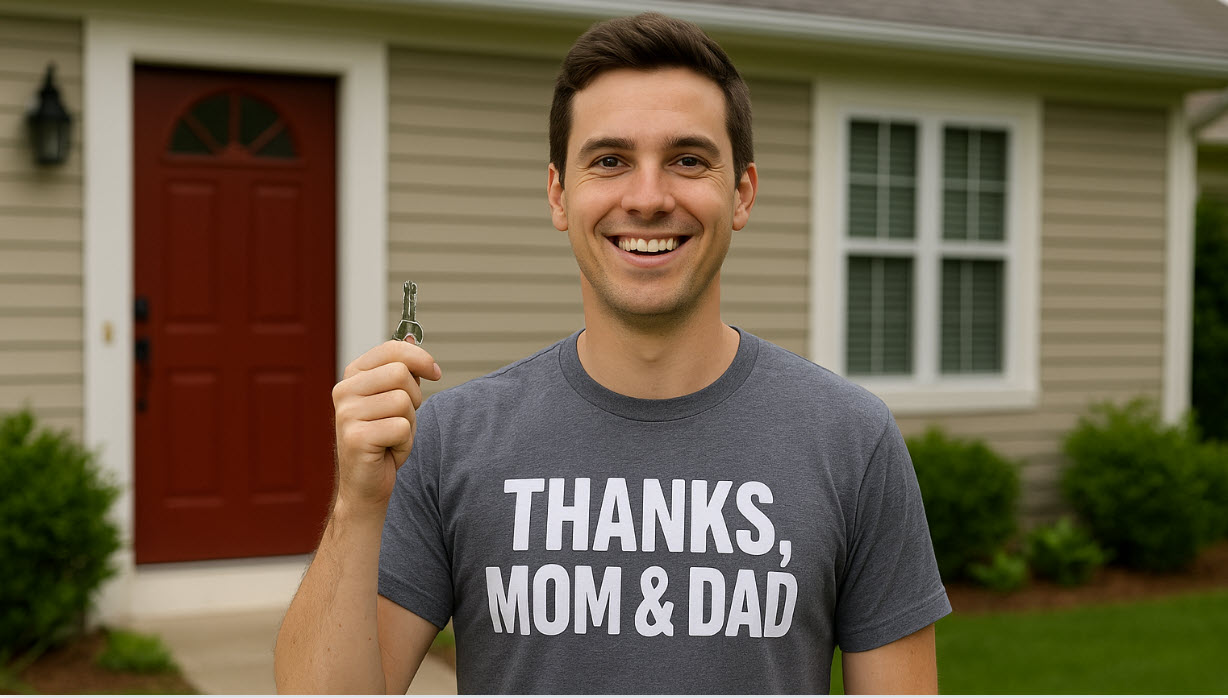
So your kid wants to buy a home, and you're thinking about stepping in to help. Good news: you’re not alone. Bad news: doing it wrong can trigger taxes, tension, or both.

Today’s first-time buyers are facing a combo of sky-high prices and interest rates that just won’t quit. The typical down payment climbed to $63,000 in 2024, and mortgage payments are at near-record highs. According to a Redfin survey, almost a quarter of Gen Z and Millennial buyers recently used family money to make it happen, either as a cash gift or inheritance.

And while the term “nepo-homebuyer” might get thrown around, let’s be real: giving your kids a leg up in this market isn’t favoritism, it’s financial strategy. The trick is doing it right.

Even the most generous moves can backfire if you don’t plan ahead. I've seen it all: families caught off guard by taxes, relationships strained by miscommunication, and properties stuck in probate for months.

Let’s make sure that’s not you.

Here are the 3 best ways to give your kids real estate, plus the 3 biggest mistakes to avoid (no matter how tempting they might seem).

3 Smart Ways to Help Your Kid Get a Home

1. Gift Cash (Within the IRS Sweet Spot)

Let’s start with the most straightforward path: give your kid cash. It’s clean, it’s flexible, and it avoids a lot of headaches, as long as you follow the rules.

In 2025, you can give up to $19,000 per person (or $38,000 as a couple) per year without having to report anything to the IRS. If you give more, it just chips away at your lifetime exemption, which is $13.99 million per person right now. No taxes due unless you cross that line.

With that money, your kid can fund a down payment. If they’re taking out a mortgage, you’ll just need to write a brief gift letter confirming that the money doesn’t need to be repaid.

2. Act Like the Bank (But Smarter)

If you want your kid to have some skin in the game, and maybe even learn a thing or two about managing debt, consider setting up a family loan.

Here’s how it works: You become the lender, they make payments, and everyone wins. You can even forgive part of the loan each year using that $19K gift limit, turning it into a tax-smart hybrid of loan and gift.

But—and this is important—put it in writing. The IRS expects formal terms, a repayment schedule, and interest rates that match federal guidelines. Skip the paperwork, and you risk the loan being treated as a taxable gift.

Have an estate planner or CPA help you draft the promissory note. It's a small investment to avoid a big mistake.

3. Set Up a Trust (Yes, Even If You’re Not a Billionaire)

Trusts aren’t just for the ultra-wealthy or characters in HBO dramas. If you’re planning to gift a full property or you want to protect the asset from divorce, creditors, or future family feuds, this is an option worth looking into. 

You’ve got two types of trusts:

  • Revocable trust: Easy to amend, and ideal for passing property after your death without probate.

  • Irrevocable trust: Less flexible, but better for asset protection, lowering estate taxes, and letting your kid use the property while you’re still alive.

Trusts also make it easier to handle multiple heirs. Want your kids to co-own the family vacation home or split rental income fairly? A trust can spell all that out clearly, legally, and with less room for drama later.

3 Common Mistakes That Can Blow Up the Plan

1. Adding Your Kid to the Deed

It sounds like a shortcut. Just put their name on the title and call it a day, right?

Wrong.

Adding your kid to the deed can create a huge tax burden down the road. Why? It strips you of control. If your child wants to sell, rent, or refinance the home, you might not have a say.

In addition, when they sell, they’ll be taxed based on your original purchase price, not the home’s current value. That could mean they’ll pay more in capital gains taxes.

And let’s not even get into what happens if they get divorced or sued.

2. Leaving the Property in a Will (And Only a Will)

Yes, a will can pass on your property. But it also sends your estate straight into probate, which is a public, drawn-out process that can take months and drain your estate with legal fees.

Even worse, a will doesn’t help with taxes. There’s no built-in protection, no ability to set conditions, and no privacy.

A trust does everything a will does and then some. It’s worth the extra effort, especially when real estate is involved.

3. Selling the House to Your Kid for $1

We’ve all heard this one: “Just sell it to your kid for a buck and call it a day.”

Sounds clever. But in the eyes of the IRS? That’s a gift. And not a well-structured one.

You’re still on the hook for gift tax reporting, and your child inherits your original cost basis, meaning huge tax bills if they ever sell. It’s the worst of both worlds: no protection, no tax savings, and a confusing paper trail.

Don’t do it. There are cleaner, smarter, safer ways.

Final Thoughts

Helping your kid buy real estate isn’t about spoiling them; it’s about setting them up for success in a market that’s harder than ever to break into. If you have the ability to help, that help matters.

But doing it the right way turns a kind gesture into a powerful financial legacy.

Have questions or want to talk through your options with a real estate pro? I’m happy to connect you with trusted estate attorneys, CPAs, or local lenders who specialize in this kind of planning.

Because the last thing you want is to give your kid a house, and accidentally give them a headache too.3 Smart (and 3 Dangerous) Ways to Give Your Kid Real Estate

Posted in Buying
July 22, 2025

Best Places to Live in Greenville, SC


About Greenville

Overview of Living in Greenville

Greenville is a city that’s grown from mill-town roots into one of South Carolina’s most talked-about hubs for arts and innovation. Folks who live in Greenville enjoy a cost of living that sits roughly 7% below the national average and 2% above the state figure. 

The real estate market is lively—May 2025 saw a median listing price of $385,500 and typical values around $325,000.

That pricing sweet spot keeps homes for sale in Greenville attractive to everyone from first-time buyers hunting a single-family bungalow with curb appeal to executives eyeing upscale neighborhoods near the Greenville Country Club. 

Why Greenville, SC Is a Great Place to Live

Ask any local and they’ll tell you the mix of southern charm, low crime rates, arts and entertainment, and outdoor recreation is what seals the deal.

Greenville ranks among the best places to live lists each year; U.S. News now pegs it as the #2 best place to live in South Carolina’s Upstate. 

Weekends often mean pedaling the Swamp Rabbit Trail, picnicking beneath the downtown waterfall at Falls Park on the Reedy, or cruising into the Blue Ridge Mountains for leaf-peeping. Meanwhile, the downtown area blends historic charm and modern boutiques, cafés, and great restaurants.

Whether you’re a young professional or a retiree chasing a lower cost of living, Greenville offers plenty of cultural attractions, job opportunities, and recreation right in the heart of downtown.

Things to Consider When Choosing a Neighborhood

Lifestyle

Greenville neighborhoods range from laid-back suburbs to fast-paced urban blocks, so start by deciding whether you want tree-lined streets where kids ride bikes or a loft you can walk to concerts from in minutes.

The city’s blend of historic charm with modern amenities means you can find your perfect living experience no matter your vibe—seeking an active nightlife, seeking a peaceful porch swing, or both.

Family Needs

If school zones, parks, and a strong sense of community top your list, lean toward family-friendly pockets such as Simpsonville, Five Forks, or Gower Estates. Many offer lighted tennis courts, playgrounds, and quick access to shopping for weeknight necessities.

Budget

From stately estates in upscale neighborhoods to modest single-family cottages, Greenville’s lower cost of living keeps monthly mortgage numbers from spiking like bigger metros.

Compare living costs and home values among areas—Taylors and Mauldin often deliver a lower cost of living while still sitting just minutes from downtown Greenville and major highways.

Commute

Traffic here isn’t Atlanta-level, but proximity matters.

Most suburbs offer easy access to Greenville’s job clusters along I-85 and I-385, and many sought-after neighborhoods advertise 15-20 minute drives—handy if you’re moving to Greenville for work.

Amenities & Recreation Nearby

Love golf courses? Greer has plenty.

Need quick access to outdoor hikes or waterfall views? Try Travelers Rest near the foothills of the Blue Ridge.

Prefer boutique shops and charming cafés? The West End and North Main districts are hard to beat for walkability.

Best Neighborhoods in Greenville, South Carolina

Downtown Greenville

Anchored by award-winning Main Street, downtown Greenville is the heart of downtown, famous for its weekend farmers markets, rooftop bars, and that postcard-worthy waterfall.

Historic storefronts have been preserved homes for galleries and start-ups, giving the district a blend of historic charm and modern flair perfect for young professionals who crave walkable arts and entertainment with easy access to downtown Greenville offices.

Average home price: $925,000. 

Five Forks

Regularly crowned one of the best neighborhoods in the state, Niche even labeled it the #1 place to live in South Carolina—Five Forks sits just southeast of the city. 

Best known for top-rated schools, roomy single-family homes, and easy access to Greenville’s shopping corridors, the suburb is popular with families and anyone wanting minutes from downtown Greenville convenience without downtown price tags.

Median list price: $595,000

Gower Estates

Gower Estates is one neighborhood that truly blends historic charm with modern curb appeal. Tree-lined lanes hide spacious lots, and neighbors congregate at the community pool or lighted tennis courts after work. 

Residents brag about walkability to parks, the quick hop to Greenville Country Club, and that unmistakable sense of southern charm.

Median list price: $795,000

Simpsonville

A city in its own right but functionally a Greenville suburb, Simpsonville offers a family-friendly vibe, lower cost of living compared with many Upstate towns, and a charming Main Street dotted with cafés and boutique shops.

Locals love the arts center, frequent festivals, and the easy commute north to downtown Greenville.

Median home value: $377,000

Alta Vista

Sandwiched between Cleveland Park and the Swamp Rabbit Trail, Alta Vista feels nestled in the heart of Greenville. This desirable pocket showcases historic homes, preserved bungalows, and a canopy of old-growth trees.

It’s walkable, minutes from Reedy River trails, and sought-after among buyers who want upscale neighborhoods with quick access to Falls Park on the Reedy.

Median home price: $1.2 million

Travelers Rest

Up in the foothills of the Blue Ridge, Travelers Rest is every outdoor enthusiast’s dream. Golf courses, bike shops, and trailheads meet mountain views; yet Main Street still doles out great restaurants and charming shops.

Living compared with downtown is quieter, making TR a perfect place to settle for those craving outdoor activities and access to outdoor recreation within fifteen minutes.

Median home value: $347,000

Greer

Split between Spartanburg and Greenville counties, Greer marries industrial boomtown job opportunities—BMW, Lockheed Martin, and even Nestle have major footprints—with a revitalized downtown dotted with boutiques and cafés. It’s an excellent blend of work and play for families and young professionals alike.

Median home value: $352,000

Mauldin

Once a sleepy mill town, Mauldin has blossomed into a suburb packed with arts and entertainment, a new cultural center, and plenty of desirable places to live.

Residents love its strong recreation department, lighted tennis courts, and easy access to downtown via I-385.

Median home value: $374,000

Reidville

Tiny but growing, Reidville charms with historic homes dating to the 1800s, brand-new single-family developments, and room to breathe. It’s ideal for seekers of peaceful living experiences who still want easy access to Greenville’s job market.

Median home value: $367,000

Taylors

Home to nearly 24k residents, Taylors balances affordability and proximity to downtown Greenville and major highways. Families praise its parks, and commuters appreciate that 15-minute shot down Wade Hampton Boulevard.

Median home value: $371,000

North Main

Arguably the most iconic in-town district, North Main boasts tree-lined avenues, dog-friendly parks, and walkability that rivals downtown. Many historic homes have been lovingly updated, giving curb appeal aplenty while maintaining that blend of historic charm.

Median home value: $842,300

West End

Home of Fluor Field baseball, the West End has transformed mill buildings into lofts, breweries, and boutique markets. It’s a perfect place for young professionals and creatives who want an urban living experience filled with art galleries and cultural attractions.

Median home value: $725,000

Other Notable Neighborhoods

The Overbrook Historic District—Greenville’s first “trolley suburb” dating back to 1910—still showcases Craftsman cottages and preserved oak trees. 

Nearby Wade Hampton, Dunean, and Berea round out a roster of Greenville neighborhoods popular with families and first-time buyers who crave a strong sense of community and easy access to shopping.

So, Are You Ready to Move to Greenville?

From walkable downtown blocks to quiet cul-de-sacs, Greenville County supplies a neighborhood for every stage of life.

Whether you’re moving to Greenville for job opportunities, outdoor recreation, or that famous blend of historic charm and modern convenience, you’ll discover a tapestry of sought-after neighborhoods—each with its own cultural flair, curb appeal, and access to downtown.

Now all that’s left is to find your perfect home and start exploring.

FAQs About the Greenville Neighborhoods

What neighborhood is best for young professionals who want nightlife?

Downtown Greenville and the West End provide walkability, great restaurants, bars, and live music within steps of loft apartments—perfect for young professionals.

Where can families find larger lots and a community pool?

Five Forks and Gower Estates both feature single-family homes on generous lots, top-tier schools, and neighborhood swim clubs.

Which areas are closest to the Swamp Rabbit Trail?

Alta Vista, North Main, and Travelers Rest all back up to sections of the trail, offering easy bike access and outdoor activities on weekends.

Are there suburbs with quick commutes to major employers?

Yes—Mauldin, Taylors, and Greer sit along I-385 or I-85, giving residents minutes from downtown Greenville drives to BMW, Michelin, and Nestle campuses.


How does the cost of living differ among neighborhoods?

Generally the downtown core and upscale neighborhoods like Alta Vista trend higher, while suburban pockets such as Simpsonville, Mauldin, and Reidville present a lower cost of living with plenty of recreation and shopping options nearby.

Posted in Upstate Living
July 10, 2025

5 Seller Mistakes That Could Cost You Thousands

If you’re thinking about selling your home, there’s a good chance you’ve already asked yourself the big question: What’s it worth?

But the better question might be: What will it actually sell for?

The truth is, how much money you walk away with doesn’t just depend on your home's condition or your neighborhood comps. It depends on the decisions you make before your home even hits the market. And according to new research from Zillow, a lot of sellers are still getting some of the basics wrong.

Here are five of the most common seller mistakes, and what to do instead.

1. Spending Too Much on the Wrong Upgrades

We all want our home to look its best, especially when it’s about to be judged by every buyer on the internet. But here’s the mistake: 23% of homeowners believe adding square footage (like building an addition) is the best way to boost resale value.

You’re better off focusing on affordable, high-impact projects like fresh paint, updated landscaping, and good lighting. These are the things buyers actually notice, and they don’t require a six-figure investment.

Before you start knocking down walls or renovating your kitchen, talk to your agent. They’ll help you pinpoint the upgrades that move the needle in your specific market.

2. Forgetting About Screen Appeal 

Yes, curb appeal matters. But in 2025, your photos matter more.

Most buyers are making snap decisions online before they ever step foot inside your home. That means your listing photos, videos, and 3D tours need to stop the scroll. Yet 40% of homeowners still believe curb appeal is the most important first impression.

Don’t underestimate the power of a professional media package. Think wide-angle shots, high-resolution images, and interactive floor plans. It’s not just about looking good, it’s about standing out.

3. Skipping Your Homework When Hiring an Agent

Selling a home is a major transaction. And yet, 1 in 4 homeowners say they didn’t bother reading reviews, checking past sales, or interviewing multiple agents.

That’s like hiring a surgeon without Googling them first.

You want someone who knows your market, has a strong digital presence, and will actually tell you the truth about pricing. Don’t skip the interview process. This is one of the most important partnerships of the entire transaction.

4. Highlighting the Wrong Features in Your Listing

Think every buyer wants an open floor plan? Nearly half of homeowners do, but homes with open layouts actually sell for less than expected, according to Zillow.

What does sell? Natural materials. White oak flooring. Walnut cabinets. Soapstone countertops. Only 9% of sellers know that these details can add as much as 3.5% to your final sale price.

Your agent should know what buyers in your market are searching for and craft your listing description accordingly. It’s not just about what your home has, it’s about how you talk about it.

5. Hiding Known Issues

Let’s be blunt: hiding water damage, pests, or structural issues is not a good strategy. More than half of homeowners think it might help them sell faster.

But besides being illegal in most cases, failing to disclose problems almost always comes back to bite you. Inspections happen. Trust gets broken. Deals fall through.

The better move is to be honest. Disclose what you know. And let your agent help you price and position the home accordingly.

Final Thoughts

Selling a home isn’t just about timing the market or lucking into the right buyer. It’s about preparation, presentation, and making smart choices that stack the odds in your favor. The good news is, even small shifts, like choosing the right paint color, getting quality listing photos, or understanding what to highlight, can make a big difference in your final sale price.

With the right approach, sellers can avoid costly mistakes and feel confident knowing they did everything they could to make the most of their home sale.


Posted in Selling
July 3, 2025

Celebrating Independence Day

Patriotic image

🎆 Celebrating Independence Day with Community and Home – From Your Local Real Estate Experts 🇺🇸

As fireworks light up the sky and families gather to celebrate, the 4th of July reminds us of the values we hold dear: freedom, independence, and the pursuit of happiness. For many, part of that pursuit includes homeownership—a cornerstone of the American dream.

At Expert Real Estate Team, we believe that home is where freedom truly begins. It’s where families grow, memories are made, and futures are built. That’s why we’re so passionate about helping people find not just a house, but a place to belong.


🏡 The Freedom of Homeownership

Owning a home is one of the most empowering steps you can take. It means having control over your space, building equity for your future, and creating a legacy for the next generation. Independence Day is a perfect time to reflect on those freedoms and the security that comes with having a place to call your own.

Whether you’re looking to buy, sell, invest, or simply explore your options, Expert Real Estate Team is here to support you every step of the way. With in-depth market knowledge and a client-first approach, we make sure your journey is smooth, successful, and rewarding.


🔑 Ready to Declare Your Own Independence?

If you're thinking about making a move, this summer is a great time to start. The real estate market is active, and opportunities are out there for buyers and sellers alike. Whether you're searching for your dream home or planning your next investment, Expert Real Estate Team is ready to help you take that next step with confidence.

Let this 4th of July be more than a celebration—let it be the beginning of your next chapter.

From our family to yours, Happy Independence Day!
Stay safe, enjoy the holiday, and remember: when it comes to real estate, you have a trusted team by your side.


🎇
Expert Real Estate Team
Your Local Experts, Here to Help You Find Home

Posted in Upstate Living
June 26, 2025

5 Reasons Homebuyers Are Finally Catching a Break

•	5 Reasons Homebuyers Are Finally Catching a Break

Buying a home hasn’t exactly felt “easy” the last few years.

The past few years have seen intense competition, high prices, and “better luck next time” bidding wars. 

But now, things are shifting. 

While we’re not in a full-blown buyer’s market just yet, inventory is up, competition is cooling, and sellers (and even builders) are making moves to attract serious buyers.

Here are five signs the market is turning, and why now might be the time to start (or restart) your home search.

1. Sellers Are Actually Offering Help

Remember when sellers wouldn’t even look at your offer unless it was over asking and waived every contingency? Those days are fading.

In early 2025, 44% of home sellers offered concessions, including things like covering closing costs, mortgage-rate buydowns, or money for repairs, according to Redfin. That’s just shy of the all-time high, and it reflects the reality of today’s market: sellers have more competition and buyers have more power.

If you’re thinking about making an offer, don’t be shy. Ask for the support you need.

2. Down Payments Are Shrinking

According to another Redfin report, the typical down payment dropped to 1% lower than last year, marking the first annual decline in nearly two years. 

This isn’t a huge drop, and the average remains around 15% of the purchase price ($62,468). But the report also found that more buyers are using FHA and VA loans with lower requirements, and many are simply choosing more affordable homes to manage monthly costs.

This shift makes homeownership more accessible, especially for first-time buyers.

3. Builders Are Cutting Prices to Attract Buyers

If you’re looking at new construction, you could have room to negotiate.

In June 2025, 37% of homebuilders reported price cuts, according to the National Association of Home Builders. That’s the highest percentage since NAHB began tracking monthly in 2022. On top of that, 62% of builders are using sales incentives like rate buydowns or free upgrades to sweeten the deal.

With builder confidence dipping and inventory piling up, they’re far more willing to work with today’s buyers, especially those ready to move.

4. There Are More Homes to Choose From

After years of inventory shortages, the number of active listings is finally on the rise.

A new report from Realtor.com shows U.S. inventory surpassed one million listings, a 31.5% jump year over year and the highest level since 2019. More homes on the market means less competition, more negotiating power, and a better chance of finding the right fit, without the frenzy.

While inventory hasn’t fully returned to pre-pandemic levels, the tide is turning. And that means an opportunity for patient buyers.

5. Investors Are Selling at Record Levels

You know those homes that used to be snapped up by cash-heavy investors? They’re starting to come back on the market.

In 2024, 10.8% of all homes sold were sold by investors, the highest rate ever recorded by Realtor.com. Whether due to cooling rents or shifting market dynamics, more investor-owned properties are being listed, especially in the lower-priced segments where many first-time buyers are shopping.

That means less competition from investors and more inventory for everyday buyers.

Final Thoughts: It Might Be Time to Revisit Your Search

We’re not saying it’s the perfect market. But for the first time in a long time, buyers actually have options—and leverage.

If you pressed pause on your search, it may be worth pressing play again. More homes, fewer bidding wars, shrinking down payments, and motivated sellers are changing the game.

And if you're curious what that looks like in your neighborhood, let’s connect. The right opportunity might already be waiting.


Posted in Buying
June 17, 2025

The good and bad things about selling your home with Zoodealio

The good and bad things about selling your home with Zoodealio


Is it a good idea to sell your house to Zoodealio? Pros and cons for people who own homes in Greenville, SC
Want to sell your home in the Greenville SC housing market quickly and without any problems? If that's the case, platforms like Zoodealio, which let buyers make cash offers directly to sellers, might be interesting. But is it the right thing for people who own homes in Greenville, Greer, or Spartanburg SC?


Let's look at the pros and cons of selling your home through Zoodealio and how Expert Real Estate Team can help you figure out if it's the best way to reach your goals.

1. Quick cash offers are one of the best things about selling your home to Zoodealio.
You can get competitive cash offers from Zoodealio in minutes, not weeks. This speed can be a lifesaver if you're moving, downsizing, or just need to sell quickly. This process makes things a lot easier for people moving to Greenville, SC, or upgrading to new homes for sale in Greenville, SC.

2. Don't do any repairs or showings
When you sell to a cash buyer, you usually don't have to worry about staging, open houses, or expensive repairs. This is especially appealing to people who own older homes or multi-family homes in Greenville, SC that might need some work done.

3. You don't have to accept
Zoodealio lets you look at offers without feeling rushed. You don't have to buy anything, and the platform can even help you figure out how much your home is worth if you're still looking around in the Greenville SC real estate market.

❌ Things You Shouldn't Do When Selling Your Home to Zoodealio


1. You could lose money.
People who pay cash usually pay less than the market value. If you live in a popular area like The Cliffs, Downtown Travelers Rest SC, or Greenville, where bungalows are for sale, you might be able to make more money with a traditional listing.

2. Less Fighting Over Bids
In a seller's market, like what we've seen in Greer SC, Spartanburg SC, and Travelers Rest recently, a normal sale might get you more than one offer, which would raise your sale price.

3. Not Every Home Is Eligible
Some websites might not have homes for sale in Greer, SC for less than $100,000 or homes that need work. If your home doesn't meet their requirements, you may still have to list it the old-fashioned way.

Why hire a professional real estate team?
Whether you live in Greenville, Greer, Spartanburg, or Travelers Rest, our agents know the local market inside and out. We help you:

Compare cash offers to the market value of the sale

Learn what your home is really worth in the Greenville SC housing market.

Get in touch with people who want to buy retirement homes, condos, or new homes in Greer, SC.

If Zoodealio is right for you, we can help you get your own offers quickly through our Zoodealio Cash Offer Portal.

💡 Last Thoughts
Selling your home to Zoodealio is easy, but it's not the best option for everyone. The Expert Real Estate Team is the best place to go for help with your specific home type, whether it's a luxury home for sale in Greenville SC or a 55+ community listing in Spartanburg.

Get professional advice by contacting us today, or Click Here to see Zoodealio's current offers and find out how much your home could sell for right now!

Posted in Selling
June 16, 2025

Want to Live in Greenville, SC? Things to Know Before Moving to Greenville

Living in Greenville SC


Greenville is part of a larger upstate region that has grown steadily over the past few decades. Where once there were vacant downtown buildings, you’ll now find a lot of foot traffic. New shops, breweries, and coffee stops keep popping up. A younger crowd of young professionals has moved in, but so have retirees and families looking for a place with a slower pace yet enough amenities to stay occupied. 

Greenville offers a distinctive energy around local arts, farm-to-table dining, and small businesses. Festivals pop up throughout the year, especially in the milder spring and fall months. Summers can be hot and humid, though the nearby Blue Ridge Mountains offer a break if you head north for a day trip. 

If you're considering moving, let's get into the low cost of living, pros and cons, and help you decide of Greenville is one of the cities in South Carolina that you should have on your shortlist.  

Cost of Living in Greenville, SC

Most people find Greenville’s costs significantly lower than large metro areas. Housing has historically been a major draw, with median home prices sitting around ($325,735, though you can still locate places below that range, especially on the outskirts. Property taxes, while not rock-bottom, tend to be friendlier than in many northern states, and you often get a decent amount of square footage for your dollar.

Everyday expenses line up pretty well with national averages. Groceries, transportation, and utilities won’t break the bank. Gas prices don’t usually spike to extremes, thanks to proximity to major highways and supply routes. The dining scene, now a big part of Greenville’s appeal, covers a broad spectrum. You can splurge on upscale spots that rival bigger cities or grab a budget-friendly meal at a roadside barbecue joint. 

Greenville Community Demographics

In the city proper, the population hovers around 75,000, but the broader metro area tops half a million. This means that while Greenville itself doesn’t stretch too far, the surrounding region is increasingly interlinked. 

Education levels vary, with quite a few skilled trades represented due to the manufacturing backbone in the region. At the same time, the city has become a magnet for professionals in engineering, health care, and finance. A handful of colleges and universities operate nearby, adding fresh graduates into the mix each year.

Retirees appreciate the mild winters in Greenville, the abundance of golf courses, and easy drives to the mountains or the coast, so they’re part of the patchwork too. 

Things to Do in Greenville, SC

Downtown Exploration

Strolling along Main Street reveals a lively mix of shops, bistros, and galleries. Falls Park on the Reedy is an eye-catcher with its iconic suspension bridge and waterfall views, perfect for snapping photos or people-watching on sunny afternoons. Evening hours bring live music and patio dining, creating a festive vibe. Many Greenville residents start or end their weekends right here, soaking up the city’s energetic heartbeat.

Outdoor Adventures

Beyond downtown’s bustle, the Swamp Rabbit Trail stretches for miles, inviting walkers, runners, and cyclists to explore tree-lined routes. Farther afield, Paris Mountain State Park offers hiking, camping, and a serene lake perfect for kayaking on hot summer days. Nature enthusiasts appreciate how a short drive places them among the towering pines and scenic overlooks that define Greenville’s foothills and surrounding landscapes.

Cultural Highlights

Local performing arts venues host concerts, plays, and comedy shows throughout the year, drawing in both established acts and up-and-coming talent. The Peace Center stands out as a major spot for Broadway tours and classical music performances, while smaller stages nurture indie productions. Museum options include exhibits focused on regional history, art, and science, all reflecting a city that values creativity and continues to grow its cultural footprint.

The Pros of Living in Greenville, SC

Strong Job Market

Greenville sits at the heart of an upstate region that has seen a manufacturing renaissance. Global automakers such as BMW anchor large production facilities, while tire manufacturers like Michelin and other industries have also established significant operations. Alongside heavy industry, there’s a growing tech startup environment, partly boosted by organizations that see potential in the city’s central location between Atlanta and Charlotte. Health care and education serve as other big pillars of employment.

With these broad opportunities, Greenville’s unemployment rates often come in below the national average. It’s not just blue-collar or white-collar work either—there’s a middle ground of small businesses, construction, and hospitality that has grown with the city’s expansion. Professionals coming from pricier urban areas sometimes find wages slightly lower, but living costs also offset that, and the overall job landscape can feel relatively stable.

Affordable Cost of Living

Many folks label this area as a bargain compared to most metropolitan hubs. You still need to watch your expenses—taxes and health care aren’t negligible—but real estate is often the deciding factor. The possibility of buying a single-family home around downtown Greenville or in a quiet neighborhood without massive mortgage payments is a major draw. Even in neighborhoods that have become more sought-after, you can still find some workable deals if you’re patient.

Salaries in bigger cities like New York or San Francisco may dwarf Greenville’s, but so do their costs, so people moving south often enjoy a quality of life boost.

Groceries, utilities, and casual dining are also generally gentler on the wallet, though Greenville’s transformation into a dining destination means some restaurants aim for a more upscale crowd. Budget-conscious types can find plenty of mid-range alternatives, making daily living more manageable for many income levels.

Charming and Walkable Downtown Area

A decade or two ago, Main Street didn’t draw as much attention. Now, it’s one of the city’s major bragging points. The tree-lined sidewalks, sprawling canopy of lights in the evenings, and a mix of shops, hotels, and eateries all create a lively atmosphere year-round. Falls Park on the Reedy is a highlight—people love walking around, admiring the waterfall, and enjoying the green spaces. Seasonal festivals, outdoor concerts, and farmers markets pop up throughout the year, further energizing the downtown environment.

Newcomers often appreciate how walkable it is, especially in the evenings when you see couples strolling, families checking out ice cream shops, and out-of-towners snapping photos. There’s a modern performing arts center, an arena hosting sports events and concerts, and a cluster of galleries that highlight local artists. Craft breweries and rooftop bars have also taken root.

So while it’s not a massive city center, it does offer a steady stream of activities to fill weekends and evenings, without the overwhelming sprawl you’d find in bigger urban areas.

Excellent Schools

In Greenville County, the public school system ranks among the top in South Carolina. Test scores tend to be strong, and the district invests in specialized programs, such as language immersion and advanced placement options. Several private schools operate in the region too, catering to families who prefer smaller class sizes or a particular educational approach.

Higher education is nearby as well, with Clemson University and Furman University not too far away, plus smaller colleges that focus on liberal arts or technical programs. The emphasis on education has been a factor in attracting employers who want a stable pool of skilled candidates.

For parents with children, the combination of well-funded public options and private alternatives can be appealing, though it’s worth researching individual schools, as performance can vary by neighborhood. Overall, Greenville’s commitment to scholastic growth often shows up in the broader community, from local libraries to continuing education opportunities for adults.

The Potential Cons of Living in Greenville, SC

Limited Public Transportation

The city’s bus system, Greenlink, covers some routes but doesn’t always line up with the schedules or Greenville areas residents need most. People accustomed to robust mass transit might feel underwhelmed. Late-night service is limited, and many suburban neighborhoods don’t have direct bus access.

Ride-share services are available, but if you’re coming from a major metro with extensive trains or subways, Greenville’s setup might feel incomplete. While you can walk or bike in certain areas, sprawl makes it trickier in outlying districts.

For many households, owning at least one car is almost mandatory, and that adds to monthly expenses and traffic on the roads.

Potential for Growth Pains

Greenville’s transformation has benefits, but it’s not without side effects. Road construction seems constant in some areas, as infrastructure tries to keep pace with new developments. Neighborhoods once considered hidden gems have seen property values spike, which can push out long-time residents. The city’s vibe can shift faster than some people expect—what was once a calm street can become a hotspot for new construction.

As more people arrive, competition for housing can tighten, leading to bidding wars on attractive properties. Growing pains can also emerge in debates about zoning, building heights, and how to preserve the city’s heritage. Locals sometimes worry that too much rapid growth could erode what made the city appealing in the first place.

It’s not a crisis, but it’s something to watch if you’re planning a move and hoping for stable property values and a certain small-city character.

Limited Nightlife

Downtown has come a long way, but once the restaurants shut down, the late-night crowd isn’t huge. A few bars and clubs stay open a bit later, but they don’t match the volume of options you’d find in Charlotte or Atlanta. Weekends offer a bit more activity—live music at smaller venues or occasional shows at bigger arenas—but weekday nights can feel quiet once you step away from Main Street.

College students from local universities do liven things up, yet the city center isn’t bursting with all-night hangouts. People who prioritize a diverse club or late-night scene might need to look elsewhere. There’s a thriving craft beer culture, sure, but if you need something beyond that, you might be driving to neighboring towns or planning weekend trips to bigger cities. Some folks find the calmer evening atmosphere refreshing, while others looking for more excitement can get bored living in Greenville. 

Housing Costs

While the median home price in Greenville ($325,735) remains lower than in many coastal states, certain neighborhoods near downtown or the more desirable suburbs can see listing prices much higher. Rising property tax rates can impact owners too, especially in areas experiencing rapid appreciation. 

For people aiming to buy, the process can be competitive, with multiple offers driving up final sale prices. It’s not at crisis levels yet, but it’s noticeable enough that long-term residents sometimes wonder how to keep the region accessible for all income levels.

Ready to Live in Greenville, SC?

Greenville has transformed from a quiet southern city into a lively hub that aims to combine small-town warmth with opportunities found in larger regions. Its evolution is part of the appeal—watching it grow and knowing you can still play a part in shaping its future.

If the thought of a steady job market, approachable housing costs, and a welcoming downtown scene outweighs concerns about traffic or public transit limitations, you should consider relocating to Greenville. It's one the best places to live in South Carolina!

FAQs About Living in Greenville, SC

Is Greenville safe?

Crime rates in Greenville vary by neighborhood, but overall, the city’s figures aren’t unusually high for a community its size. Downtown and many suburban districts maintain generally favorable safety records. Local law enforcement and community groups also sponsor initiatives to keep crime in check.

Are there cultural and recreational activities?

The downtown area offers a mix of events, including art festivals, local concerts, and theater shows at the Peace Center. Falls Park is a constant draw, while the Swamp Rabbit Trail extends for miles, inviting joggers, cyclists, and walkers. Outside the city, hiking and camping spots dot the Blue Ridge region, and lakes like Lake Keowee or Lake Hartwell are a short drive away. Museums, galleries, and historical sites round out the scene.

Do I need a car in Greenville?


Most likely, yes. Public transit options are limited, and suburban sprawl makes it tough to rely solely on buses or rideshares. Downtown living can be more walkable, but getting to jobs or shopping centers outside the core often requires a personal vehicle.

Posted in Buying
June 6, 2025

Warren Buffett Analysts Call This Trend a Housing Goldmine

Imagine this: You walk through the front door after work. Your dad is teaching your daughter how to make his famous pasta sauce in the kitchen. Your mom is watering plants on the patio. Upstairs, your brother’s finishing up a Zoom call from his home office.

Sound a little chaotic? Maybe. But for millions of families across the U.S., multiple generations living together is becoming the new normal. And surprisingly, they love it.

According to Berkshire Hathaway HomeServices, backed by Warren Buffett’s legendary market foresight, multigenerational living is poised to become the next big housing trend. 

Let’s dive in. 

Why More Families Are Living Together in 2025

In 2010, 5.1 million U.S. households were considered multigenerational. By 2020, that number had jumped to 6 million. Today, more than 59 million Americans live in homes shared by multiple adult generations, a number that continues to rise.

So, why are so many people turning to multigenerational living? Several factors come into play:

  • Housing affordability is a major challenge. Many Millennials and Gen Z adults earn less than their parents did at the same age—around $10,000 less when inflation is factored in—while home prices and mortgage rates continue to climb.
  • Elder care is expensive. Retirement savings often aren’t enough to cover long-term care or assisted living, and many seniors want to age in place.
  • Childcare costs are skyrocketing. Families with young kids are saving thousands by leaning on grandparents for daily help.
  • Remote work makes it easier. With flexible work arrangements, multiple adults can now live (and work) under one roof without commuting constraints.

For many families, sharing a home isn’t just about saving money. It’s about building a support system that makes daily life easier and more connected.

What to Look for in a Multigenerational Home

If you’re thinking about buying (or modifying) a home to accommodate more than one generation, you’re not alone. And yes, certain features can make all the difference when it comes to comfort, privacy, and long-term value.

Buyers are looking for:

  • Separate living areas for privacy (finished basements, in-law suites, ADUs)
  • Dual kitchens or kitchenettes to allow independence
  • Universal design features like wider doorways, walk-in showers, and main-floor bedrooms
  • Multiple entrances for added flexibility and convenience

Even if you’re not buying a new home, retrofitting an existing space to meet multigenerational needs, like converting a garage, basement, or unused dining room, can offer huge benefits.

Selling? Highlight These Features

If you’re planning to sell, it pays to think like a multigenerational buyer.

Homes with flexible layouts and privacy-friendly features often sell faster and for more money. As this trend grows, buyers are prioritizing function over flash. A home that offers room for extended family, caregiving, or co-living can stand out in a competitive market.

Even if your home wasn’t built with multigenerational living in mind, thoughtful staging and clear marketing can help showcase its potential.

A Smart Move for Investors, Too

Multigenerational housing isn’t just a lifestyle. It’s a growing investment opportunity.

Berkshire Hathaway calls it a “goldmine for remodelers,” and they’re not wrong. With more families looking for shared-but-separate space, the demand for multigenerational-friendly homes is climbing fast.

If you’re a current homeowner, converting unused space into a rentable suite or upgrading with accessibility in mind can significantly boost your property’s value. If you’re an investor, targeting homes with conversion potential or developing purpose-built multigenerational rentals could mean higher ROI and longer tenant stays.

Looking Ahead: The Future of Family Living

Builders are catching on. Across the country, new communities are popping up with multigenerational floor plans, universal design elements, and more flexible layouts designed for how people actually live today.

These homes offer:

  • Private living quarters for parents, grandparents, or adult children
  • Shared gathering spaces that still allow for alone time
  • Aging-in-place features that reduce the need for costly renovations later

This trend is about more than just saving money. It’s about creating homes that work for how families actually live today: connected, resilient, and ready to support one another through all stages of life.

Whether you’re buying, selling, or investing, understanding this shift can help you make smarter real estate decisions for the future.


Posted in Buying
May 29, 2025

Home Projects with the Highest ROI (and Joy) in 2025

If you've been debating whether to remodel your home or just live with the quirks, here's something to think about: the right updates can both boost your home's resale value and make you fall in love with your space all over again.

According to the 2025 Remodeling Impact Report from the National Association of REALTORS®, Americans spent an estimated $603 billion in 2024 on home remodeling. 

And those renos aren’t just for fun. With 46% of buyers today less willing to compromise on condition, your home's value could be riding on a few key upgrades.

Bit before you start knocking down walls or gutting your kitchen, here are the projects that give you the most bang for your buck and the biggest emotional payoff.

Highest Cost Recovery Projects in 2025

BAMx in a Box Chart - 05-23-25 (1).png

Let’s start with the financials. These remodeling projects deliver the best return on investment if you're planning to sell:

  1. New Steel Front Door: 100% cost recovery
  2. Closet Renovation: 83% 
  3. New Fiberglass Front Door: 80% 
  4. New Vinyl Windows: 74% 
  5. New Wood Windows: 71% 
  6. Basement Conversion to Living Area: 71% 
  7. Attic Conversion to Living Area: 71% 
  8. Complete Kitchen Renovation: 60% 
  9. Minor Kitchen Upgrade: 60% 
  10. Add New Bathroom: 56% 
  11. New Primary Suite: 54% 
  12. Bathroom Renovation: 50% 

Even smaller updates, like painting a room or replacing worn-out fixtures, can make a big difference. 

The Projects That Bring the Most Joy

BAMx in a Box Chart - 05-23-25.png

Beyond dollars, there’s real value in how you feel living in your home. That’s where the Joy Score comes in—a 1 to 10 rating based on how happy homeowners were with their completed projects.

Here are the renovations that topped the charts for joy:

  1. Added Primary Bedroom Suite: Joy Score: 10/10
  2. Kitchen Upgrade: 10/10
  3. New Roofing: 10/10
  4. Bathroom Renovation: 9.8/10
  5. Complete Kitchen Renovation: 9.7/10
  6. Paint 1 Interior Room: 9.3/10
  7. New Wood Flooring: 9.1/10
  8. Basement Conversion to Living Area:  8.8/10
  9. Paint Exterior Siding: 8.8/10
  10. New Front Door: 7.5/10
  11. New Siding: 7.3/10
  12. Garage Door: 7/10

And the emotional impact doesn’t stop there:

  • 64% of homeowners said they had a greater desire to be at home after remodeling
  • 46% reported increased enjoyment in their home
  • 55% felt a major sense of accomplishment when the project was finished
  • If cost weren’t a factor, 92% said they’d take on even more remodeling projects

Remodel Now, Enjoy Now—Sell for More Later

If you're not planning to sell tomorrow, that doesn’t mean these projects aren’t worth it. In fact, most homeowners (27%) remodeled simply to upgrade worn-out surfaces, and only 18% said they were remodeling because they plan to sell in the next two years.

In other words, smart improvements can serve double duty: making your home more functional and enjoyable today while also boosting future resale value.


Posted in Home Tips