


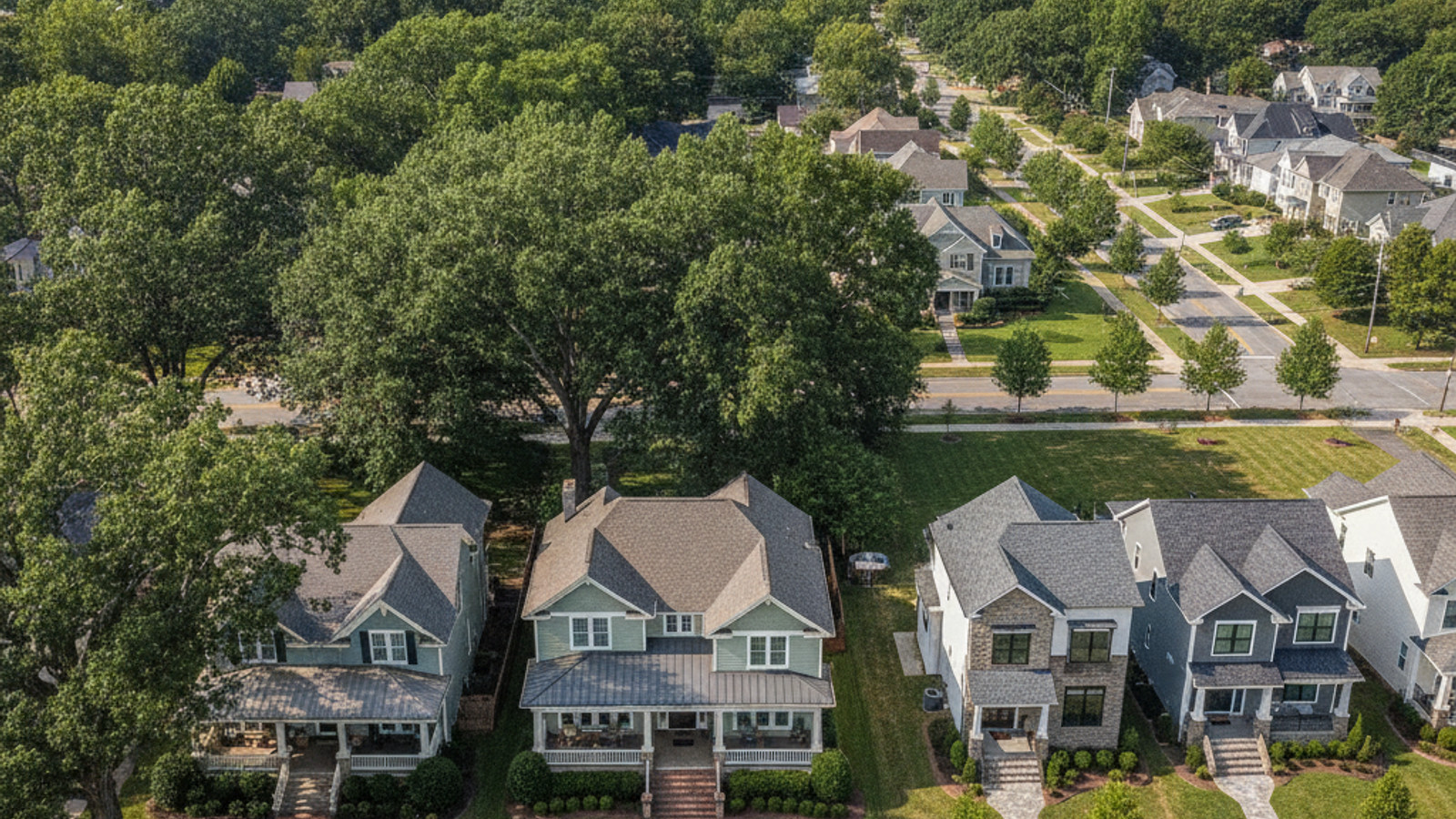
The Upstate South Carolina housing market continues to expand outward from Greenville as buyers look for more space without sacrificing convenience. Two of the most popular landing spots for relocators are Greer and Simpsonville. Working with the best realtor in Greer, SC can simplify your search across these competitive areas. Both towns sit just outside the city limits, offering their own distinct downtown districts, expanding retail corridors, and diverse housing options.
Deciding between the two comes down to where you work, how you travel, and what type of neighborhood fits your daily routine. While they share a similar price point, their commute patterns and neighborhood layouts are quite different. Knowing how these suburbs compare will help you narrow down your search and target the right side of town.
Comparing the Upstate's Top Two Suburbs
Both towns are located primarily in Greenville County, though a significant portion of Greer spills over the county line into neighboring Spartanburg County. This geographic split dictates daily logistics like property taxes, school zoning, and utility providers. Simpsonville sits to the south of Greenville, while Greer is located to the east and northeast.
Over the last decade, both areas have transformed from quiet bedroom communities into standalone destinations. You will find revitalized main streets, large-scale medical facilities, and extensive park systems in both locations. They also serve as the primary retail hubs for the surrounding rural areas, meaning residents rarely need to drive into Greenville for daily errands.
Home Prices and Neighborhood Styles
As of mid-2026, the median sale price for a home in Greer sits around $335,000, with homes spending roughly 65 days on the market. Simpsonville's housing market mirrors this closely, with median prices generally hovering in the $330,000 to $380,000 range depending on the specific zip code. Buyers can expect to see sale-to-list ratios near 98.8%, meaning homes in both areas are selling very close to their asking prices.
Greer offers a wide mix of architectural styles and settings. Buyers can find historic bungalows near the downtown district, mid-century ranch homes, and new construction developments pushing north toward Lake Robinson and the Blue Ridge foothills. This geographic variety means you can choose between a pedestrian-friendly downtown grid or a larger lot with mountain views.
Simpsonville's housing inventory leans toward large, master-planned subdivisions. The area around Five Forks is particularly known for these expansive neighborhoods, which often feature community pools, clubhouses, and tennis courts. Buyers should factor HOA fees into their monthly budget when looking at these planned communities.
Regardless of which town you choose, South Carolina offers favorable property taxes for owner-occupants. Primary residences are assessed at a 4% ratio, which typically translates to an annual tax bill between 0.5% and 0.7% of the home's market value in Greenville County.
Getting Around the Upstate
A standard drive to downtown Greenville takes about 20 to 30 minutes from either suburb, depending on traffic and your starting point. How you make that drive is the biggest difference between the two locations. Simpsonville residents rely almost entirely on I-385 and Fairview Road to get north into the city.
Greer commuters generally use I-85 or Wade Hampton Boulevard. Greer's location provides much faster access to GSP International Airport, making it a practical choice for frequent flyers. It also sits adjacent to major regional employers, including the BMW manufacturing plant and Michelin's North American headquarters.
Rush hour traffic impacts both areas, but the pinch points are different. Fairview Road in Simpsonville is notorious for heavy afternoon congestion as residents return from Greenville. In Greer, the I-85 corridor and Wade Hampton Boulevard handle massive volumes of commercial and commuter traffic, requiring extra travel time during peak morning and evening hours.
Parks, Dining, and Entertainment
Simpsonville is home to the CCNB Amphitheatre at Heritage Park, a massive outdoor venue with a 14,000-person capacity. Under new management by Opry Entertainment Group for 2026, the amphitheater draws major national touring acts to the Upstate. Beyond the music venue, Heritage Park offers baseball fields, walking trails, and playgrounds, while the nearby Fairview Road corridor handles most big-box shopping needs.
Greer's entertainment scene centers around its walkable downtown district. Trade Street features brick-paved roads lined with local restaurants, boutiques, and breweries. Right next to the downtown strip is Greer City Park, a 12-acre green space with fountains, a walking promenade, and an outdoor amphitheater that hosts local festivals.
Both towns also provide easy access to the region's broader outdoor attractions. From Greer, residents can quickly reach the northern trailheads of the Swamp Rabbit Trail or head up to Paris Mountain State Park for hiking and mountain biking. Simpsonville residents have a slightly longer drive to the mountains but enjoy quick access to the southern stretches of the Swamp Rabbit Trail system.
School Zoning and Healthcare Access
Most addresses in both suburbs fall under the jurisdiction of the Greenville County School District, the largest district in the state. Neighborhoods zoned for Riverside High School in Greer and the schools around Five Forks in Simpsonville are particularly popular among buyers. Because school assignments can shift as populations grow, buyers should verify exact addresses against the 2026 zoning maps before making an offer.
The county line split in Greer creates an added layer of complexity for buyers. Homes located on the eastern side of the city fall into Spartanburg County and are zoned for Spartanburg District 5 schools. This distinction impacts both property tax rates and vehicle registration fees, so it is important to confirm the county before purchasing.
Medical access is excellent in both locations. Greer is home to Pelham Medical Center, a large hospital complex located right off Highway 14, providing emergency services and specialized care. Simpsonville residents have access to the Hillcrest Hospital campus, ensuring that routine and urgent medical needs can be met without driving into downtown Greenville.
Making Your Final Decision
Buyers prioritizing neighborhood amenities and master-planned living often gravitate toward Simpsonville. The abundance of subdivision options, particularly in the Five Forks area, makes it easy to find a home with a community pool and organized neighborhood events. The direct route down I-385 also provides a straightforward commute into downtown Greenville.
Greer works best for buyers who want a bit more geographic variety or need to travel frequently. The quick access to GSP International Airport and the I-85 corridor is a major advantage for professionals working at BMW or commuting to Spartanburg. The historic downtown district also provides a distinct town center that many buyers prefer over suburban retail strips.
The best way to decide is to drive the routes yourself. Test the morning commute from a few different neighborhoods, walk down Trade Street in Greer, and grab lunch off Fairview Road in Simpsonville to see which area fits your daily life.
Frequently Asked Questions
What are the main differences between living in Greer, SC and Simpsonville, SC?
Greer offers a mix of historic downtown homes and properties near the Blue Ridge foothills, with quick access to I-85 and the airport. Simpsonville is known for large, master-planned subdivisions with HOA amenities and direct highway access to Greenville via I-385.
Is the cost of living lower in Greer or Simpsonville?
The cost of living is nearly identical, as both towns share similar median home prices around $330,000 to $380,000. Your actual monthly expenses will depend more on whether your specific property requires high HOA fees or sits in the slightly different tax jurisdiction of Spartanburg County.
Which town is closer to downtown Greenville, SC?
Both suburbs are roughly equidistant to the city center, requiring a 20 to 30-minute drive. Simpsonville residents take I-385 straight north, while Greer residents typically use I-85 or Wade Hampton Boulevard to head southwest into the city.
Do Greer and Simpsonville have the same school district?
Most homes in both towns are part of the Greenville County School District. However, properties on the eastern edge of Greer cross into Spartanburg County and are zoned for Spartanburg District 5 instead.
Which housing market offers more new construction homes, Greer, SC or Simpsonville?
Both areas have active new construction markets, but they look different. Simpsonville sees massive subdivision development around Five Forks, while Greer features new builds expanding northward toward Lake Robinson.
Does Greer, SC or Simpsonville have a more walkable downtown area for dining and entertainment?
Greer has a more traditional, pedestrian-friendly downtown center. Trade Street features brick-paved sidewalks, local restaurants, and direct access to the 12-acre Greer City Park, whereas Simpsonville's entertainment is anchored by the large-scale CCNB Amphitheatre.
How does rush hour traffic compare between Greer and Simpsonville when commuting to Greenville?
Traffic is heavy in both directions during peak hours. Simpsonville commuters face major bottlenecks on Fairview Road and I-385, while Greer drivers have to account for commercial congestion along Wade Hampton Boulevard and I-85 near the major manufacturing plants.