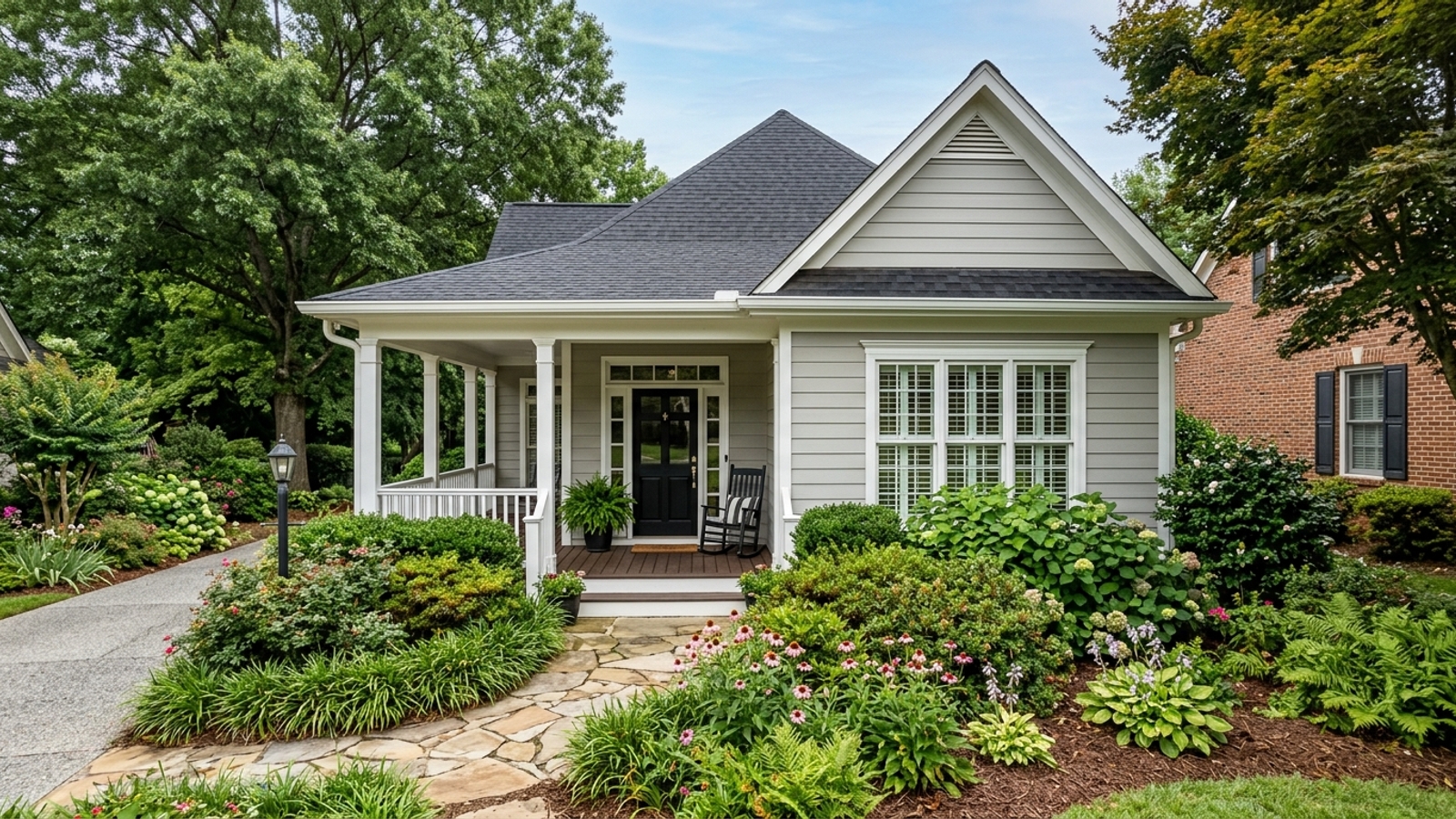
If you're looking at homes in Upstate South Carolina and considering living in Greer, SC, climate deserves a real conversation - not a paragraph buried at the end of a listing description. Greer, SC sits at an elevation of 974 feet above sea level, and that elevation shapes everything from your utility bills to what you plant in the backyard. Most buyers want to know how brutal the summers actually get, and whether January ever demands a snow shovel.
The median sale price for a home in Greer, SC is around $335,000, and available properties are currently spending roughly 65 days on the market. Before you commit, you should understand how the regional weather affects property maintenance, utility costs, and daily comfort. That's what this guide is for.
Greer, SC Climate and Weather Overview
Greer, SC carries a humid subtropical climate, officially classified as Köppen Cfa. You get distinct seasons - hot summers, relatively mild winters - and the city's position near the foothills of the Blue Ridge Mountains is a real factor in how that plays out day to day.
The area falls into USDA Plant Hardiness Zone 8a, though some parts historically registered as 7b. That hardiness zone tells you what landscaping and gardens will actually survive here. Homeowners can grow a wide variety of heat-tolerant plants that handle the mild winter freezes without much drama.
The elevation near 1,000 feet does spare you some of the extreme coastal heat found closer to the Atlantic. The trade-off is the Upstate's geographic bowl, which can trap moisture and warm air through the summer months - something worth keeping in mind when you're budgeting for cooling costs.
Understanding the Climate Zone
A humid subtropical designation means rainfall is distributed fairly evenly across the calendar. Average annual precipitation hits 49.67 inches, which keeps the region green and supports active local agriculture.
There's no prolonged dry season, and that consistency actually helps with soil stability around home foundations. The steady moisture does mean gutters need regular attention and water management away from the structure matters.
Season by Season Conditions in the Upstate
The annual mean daily maximum temperature in Greer, SC sits at 72.3°F - a number that sounds pleasant until July arrives. All four seasons show up clearly here, and homeowners adjust their maintenance schedules accordingly.
Spring comes early, with a rapid warm-up through March and April. Fall delivers a gradual cool-down, crisp air settling in by late October. Those two transitional seasons are genuinely the most comfortable stretches for spending time outside or tackling exterior repairs. Summer and winter are the two extremes. Buyers arriving from northern states tend to find the winters almost disarmingly mild. The summers take a little longer to get used to.
Summer Heat
Summer weather runs from late May through September, with consistent daytime highs in the upper 80s and low 90s. July is the wettest month of the year, averaging 4.82 inches of rain - mostly from short, heavy afternoon thunderstorms that roll through fast and clear out.
Winter Chills
Winters here are brief and mild by most comparisons. The annual mean daily minimum temperature is 50.4°F, though overnight lows in winter do drop below freezing with regularity. January is the coldest month, with an average daily minimum of 32.1°F. Hard freezes happen. Disconnect exterior hoses and insulate exposed pipes during the coldest weeks - it's a straightforward precaution that prevents an expensive repair.
Monthly Temperature Averages
July is the hottest month, pushing an average daily maximum of 90.3°F. January anchors the cold end of the range. Looking at the full month-by-month picture helps you anticipate utility usage and plan outdoor time realistically.
Based on NOAA climate normals: January highs average 52.8°F, February reaches 57.0°F, March warms to 64.4°F, and April pushes the average high to 73.2°F. By May, you're looking at average highs of 80.3°F. The peak summer months of June, July, and August come in at 87.2°F, 90.3°F, and 88.5°F, respectively. September pulls back to 82.7°F, October cools to 73.1°F, November drops to 62.9°F, and December rounds out the year at 54.9°F.
The Warmest Months
During June, July, and August, overnight lows hover in the mid-to-upper 60s - July's average low is 69.2°F, which means the air doesn't cool off dramatically after sunset. Air conditioning isn't optional during this stretch. If you're touring homes in the summer, pay close attention to the age and condition of the HVAC systems.
The Coolest Months
December, January, and February run daytime highs in the 50s, with overnight lows at 34.8°F in December and February, and 32.1°F in January. The days are usually manageable in a light jacket. The nights require a heating system that actually works. Heat pumps are common in the area and handle these moderate winter temperatures well.
Rain, Snow, and Humidity Levels
The area receives nearly 50 inches of rain annually, so wet conditions show up in every season - not just spring. October is the driest month, averaging just 3.59 inches. That said, "dry" is relative here.
Relative humidity in Greer, SC fluctuates modestly throughout the year, ranging from about 68% in July to about 76% in December. The winter percentage is higher, but the summer humidity hits harder because of the heat layered on top of it. That constant moisture supports lush vegetation and demands proactive maintenance. Monitor crawl spaces, attics, and basements for proper ventilation - mold doesn't announce itself until it's already a problem.
Annual Snowfall Expectations
Snow is rare but not impossible in the Upstate. The average annual snowfall is about 3.9 inches, most of it falling in January, which averages 1.6 inches. When it does snow, it rarely sticks for more than a day or two before melting.
Managing the Humidity
Ninety-degree heat and 68% relative humidity in July is a heavy combination. Many homeowners run dehumidifiers in basements or crawl spaces to manage the moisture load through summer. Proper grading around the foundation matters just as much - buyers should confirm that downspouts direct water well away from the house before they close.
Severe Weather and Upstate Hazards
Strong thunderstorms are the most common hazard in the Upstate, particularly during spring and summer. These storms bring heavy rain, lightning, and gusty winds. The area's inland location does protect it from direct hurricane strikes, though remnants of coastal storms occasionally reach the Upstate with sustained rains and localized flooding.
Prolonged stretches of 90-degree days can stress local power grids and increase the risk of minor brush fires in dry, unmanaged areas. It's worth building that into your summer planning.
Thunderstorms and Tornado Risks
Tornadoes are far less common here than in the Midwest, but the broader Upstate region does see occasional tornado warnings. Most severe weather events involve straight-line winds rather than organized tornadoes. Secure loose outdoor furniture when severe thunderstorm warnings are issued, and remove dead branches from mature trees near the roofline - that's where wind damage tends to start.
Heat and Wildfire Considerations
Extreme heat is a regular summer reality in a humid subtropical climate. Adequate attic insulation keeps cooling costs manageable. Wildfire risk is generally low compared to western states - the 49.67 inches of annual rainfall see to that. Brief dry spells in fall can dry out underbrush, so keeping yard debris cleared is a reasonable precaution.
Timing Your Move to the Upstate
The current median days on market for Greer, SC real estate is roughly 65 days, which gives you some runway to plan. Aligning your house hunt with the most comfortable weather makes the whole process easier - and spring and fall are the clear winners for touring properties and loading moving trucks.
Buyers often target April, May, September, and October. Temperatures run from the mid-60s to the low 80s during those months, and you avoid both the peak summer heat and the unpredictable winter freezes. Moving in July or August means dealing with average highs near 90°F and frequent afternoon thunderstorms. If a summer move is unavoidable, schedule the physical move for early morning.
The Best Months to Relocate
October is the driest month of the year, averaging 3.59 inches of rain and an average high of 73.1°F. Practically speaking, it's the most forgiving window for a move. April is a close second - highs around 73.2°F, more rain than October, but mild enough that inspecting exterior property features is still comfortable.
Comparing Greer to Greenville and Spartanburg
Greer sits directly between Greenville and Spartanburg, sharing a nearly identical climate with both cities. All three fall within the same humid subtropical zone and experience the same weather fronts. The elevation is consistent across this central Upstate corridor, so you won't find meaningful temperature differences between these towns. That means buyers can make decisions based on housing inventory and commute times rather than chasing a slightly better microclimate that doesn't really exist.
Frequently Asked Questions
What is the best time of year to list a house in Greer based on local weather patterns?
Spring and early fall are the strongest windows based on weather. October is the driest month with average highs around 73.1°F, making it comfortable for buyers to tour homes. April offers similar temperatures before the summer heat and humidity settle in.
Do I need flood insurance or special hazard coverage for a home in Greer, SC?
It depends on the specific property's elevation and proximity to local creeks. The city sits at 974 feet above sea level and avoids coastal storm surges, but the area does receive nearly 50 inches of rain annually. Check the FEMA flood map for your specific address before closing.
How does Greer's high summer humidity impact crawl spaces and home inspections?
Relative humidity sits around 68% in July, which can trap moisture under homes. Inspectors pay close attention to crawl space ventilation and signs of mold during summer transactions. Many buyers find that installing a vapor barrier or dehumidifier is necessary to protect the foundation.
Does Greer get enough winter weather to worry about frozen pipes or roof damage?
Yes. Freezing temperatures occur regularly in winter - January sees an average daily minimum of 32.1°F, and the area averages 3.9 inches of snow per year. Detach exterior hoses and insulate exposed pipes before the coldest weeks hit.
Are specific neighborhoods in Greer more prone to flooding during heavy spring rains?
Yes, properties in lower-lying areas or near drainage basins can experience pooling water. July is the wettest month, averaging 4.82 inches of rain, mostly from heavy thunderstorms. Examine the yard's grading carefully to confirm water flows away from the structure.
Can severe thunderstorms or hurricane remnants delay real estate closings in the Upstate?
Yes, severe weather can occasionally affect closing timelines. Heavy afternoon thunderstorms in the summer or remnants of coastal storms can cause brief power outages or delay final walk-throughs. Because the area is inland, prolonged weather-related delays are uncommon - but they do happen.