


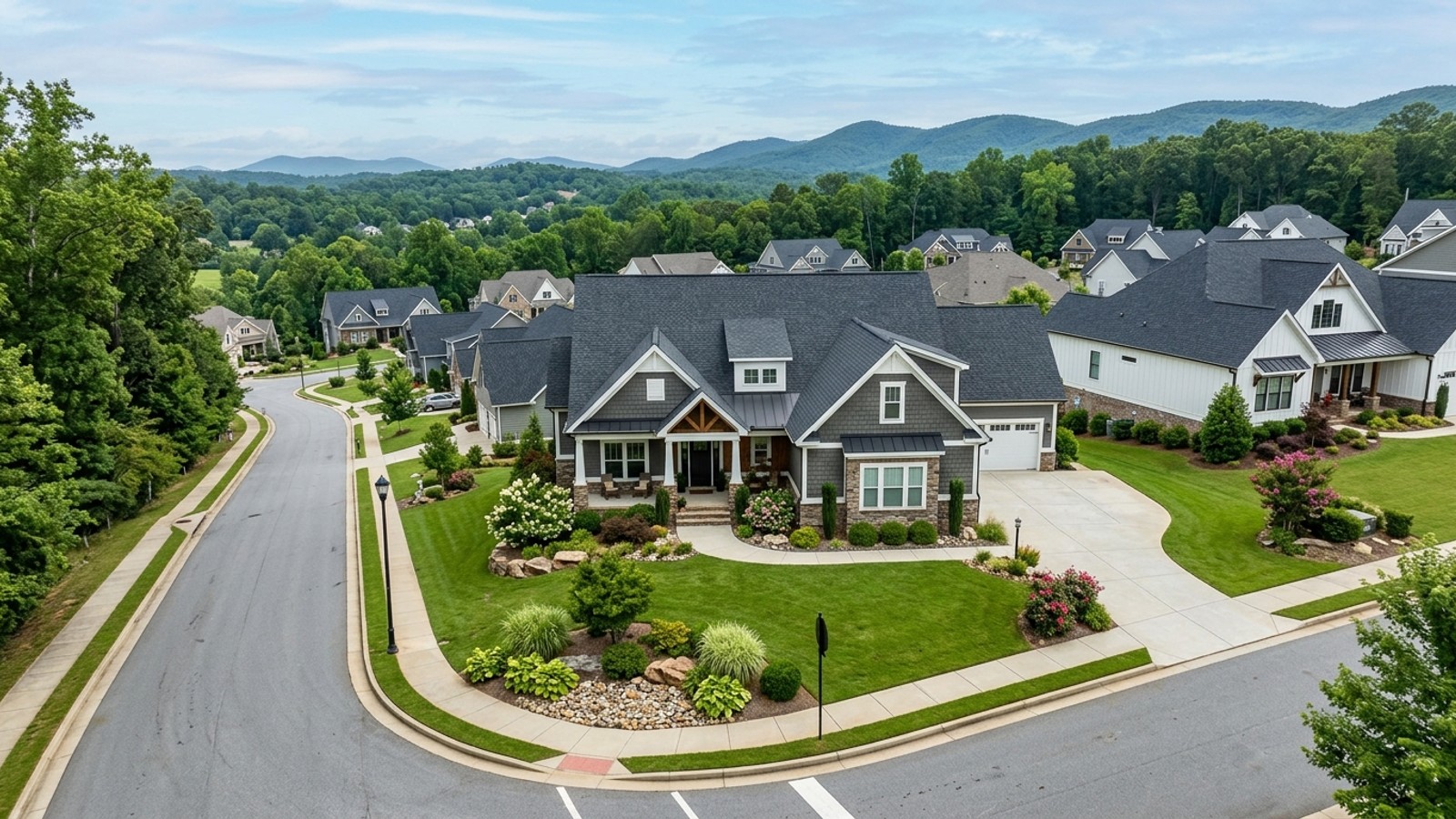
Greer, SC has grown to an estimated 50,000 residents, drawing buyers with its central position in the Upstate region. For those considering living in Greer, SC, the city straddles two counties and serves as a major economic hub anchored by the BMW Manufacturing Plant and the nearby Greenville-Spartanburg International Airport.
Buyers looking at moving to Greer, SC will find a housing market with roughly 274 available homes and a median sale price around $335,000. This guide breaks down local housing costs, neighborhoods, commute times, and daily life amenities for anyone planning a transition to the area.
Where Greer, SC is Located
Geographically, Greer sits in the rolling foothills of the Blue Ridge Mountains in upstate South Carolina. The city occupies a unique position directly between two of the region's largest economic centers.
The local infrastructure depends on Interstate 85 and Highway 29, which cut through the area and dictate most daily commute patterns. This central location makes it easy to reach surrounding employment hubs without sitting in major city traffic.
The Greenville and Spartanburg County Split
The city limits stretch across the boundary line of Greenville County and Spartanburg County. Where you buy a house determines your property tax rate, vehicle registration office, and school zoning.
Buyers should check the county designation on every listing before making an offer. Homes on the western side generally fall into Greenville County, while eastern addresses sit in Spartanburg County.
Distance to Major Upstate Hubs
Downtown Greenville is about 12 miles southwest of Greer, taking roughly 25 minutes to reach via Wade Hampton Boulevard. Spartanburg sits about 17 miles to the east, usually a 30-minute drive on I-85.
The Greenville-Spartanburg International Airport (GSP) is located right on the edge of the city. Residents can often reach the terminal in under 15 minutes, making the area popular with frequent travelers.
Local ZIP Codes and the Map Layout
The local postal system divides the area into three main ZIP codes: 29650, 29651, and 29652. The 29650 ZIP code covers the southern portion of the city near the airport and Pelham Road.
The 29651 area encompasses the downtown district and stretches north toward the mountains. The 29652 ZIP code serves a smaller section primarily focused on P.O. boxes and specific commercial zones.
Why People Are Relocating to Greer
The local population has steadily increased over the last decade, driven largely by regional job growth and relatively stable housing costs. The BMW Manufacturing Plant alone employs thousands of Upstate residents, and suppliers surrounding the facility add even more jobs to the local economy.
Buyers often choose this market when they want proximity to Greenville's amenities without paying downtown Greenville real estate prices. The area offers a mix of historic homes, mid-century ranch houses, and large new-construction subdivisions.
Who Tends to Choose This Area
Commuters working at the BMW plant, Michelin, or the airport frequently target this market to keep their daily drive under 20 minutes. The location also attracts buyers who travel weekly for business, as GSP is right in town.
Buyers looking for lots larger than a quarter-acre often find more options here than in the denser neighboring cities. The northern edges of the city provide rural settings while keeping grocery stores and medical offices within a short drive.
Pros and Cons of the Market
The primary advantage of living here is the balance of housing costs and economic opportunity. Residents enjoy access to a revitalized downtown, steady property values, and multiple grocery and retail options.
On the downside, the rapid population growth has outpaced some infrastructure upgrades. Traffic on Wade Hampton Boulevard and Highway 14 backs up frequently during the morning and evening rush hours.
The Local Lifestyle and Economy
The local economy revolves around manufacturing, logistics, and healthcare. The presence of international companies brings a diverse workforce to the area, influencing the dining and retail options available.
Daily life moves at a steady, suburban pace. Residents typically spend their weekends attending local festivals, visiting nearby state parks, or shopping in the downtown district.
The Cost of Living and Housing in Greer
As of mid-2026, the median home sale price in Greer, SC sits around $335,000. Homes stay on the market for roughly 65 days, and sellers typically receive about 98.8% of their list price.
Overall living expenses remain lower than the national average, though housing costs have risen alongside the rest of the Upstate region. Buyers will find about 4.1 months of housing supply, giving them a fair amount of negotiating power compared to a few years ago.
Home Prices and Property Taxes
Single-family homes make up the bulk of the market, with prices ranging from $250,000 for older, smaller properties to well over $600,000 for new construction in upscale subdivisions. Roughly 10% of homes sell above their asking price.
Property taxes depend on your county line. Greenville County residents pay an effective property tax rate of roughly 0.75%, while Spartanburg County sits slightly lower around 0.68%. South Carolina also offers a 4% legal residence assessment ratio for primary homeowners, which keeps annual tax bills manageable.
Renting an Apartment
Renters can expect to pay between $1,500 and $1,900 per month for a standard two-bedroom apartment. Newer complexes near the downtown district or along Pelham Road tend to command higher monthly rates.
Single-family rental homes are also available, though they lease quickly. A three-bedroom rental house typically costs between $1,800 and $2,200 depending on the neighborhood and yard size.
Utilities, Groceries, and Daily Expenses
The Greer Commission of Public Works (CPW) manages electricity, water, and natural gas for most residents inside the city limits. Consolidating these services into one bill simplifies monthly budgeting for newcomers.
Grocery prices align with the rest of South Carolina, with multiple Publix, Harris Teeter, and Food Lion locations serving the area. Drivers will find gas prices generally mirror the state average, which typically sits lower than the national mark.
Neighborhoods and Housing Options
The housing inventory in the area splits between established, tree-lined subdivisions built in the 1980s and large new developments on the outskirts of town. Buyers currently have about 274 active listings to choose from across both counties.
Location dictates the architectural style you will find. The areas closer to the city center feature historic bungalows and brick ranches, while the northern and eastern corridors offer modern craftsman-style builds.
Crime Statistics and Local Data
The local police department regularly publishes incident data for the city. Property crimes, such as vehicle break-ins, represent the most common offenses, particularly in commercial retail corridors.
Buyers should review the city's annual crime mapping tools to evaluate specific streets before making an offer. The South Carolina Law Enforcement Division (SLED) also provides county-wide data for a broader perspective on the region.
Popular Subdivisions to Consider
Riverside remains one of the most requested areas, known for its large lots and proximity to the Pelham Road commercial corridor. Homes here often sell faster than the market average of 65 days.
Sugar Creek offers an established setting with mature trees and neighborhood pools, attracting buyers looking for traditional two-story brick homes. Further out, O'Neal Village operates as a master-planned community with its own town square, community garden, and varied housing styles.
Living Near Greer Station
Greer Station serves as the downtown district, featuring restored brick buildings that date back to the early 1900s. Buyers looking for walkability should focus their search on the streets immediately surrounding this central hub.
Homes for sale near downtown Greer, SC include historic properties that often require renovation, alongside a few newer townhome developments. Inventory in this specific sector remains tight, so buyers should act fast when a listed property matches their criteria.
Dining, Shopping, and Things to Do
The city has invested millions in its public spaces over the last decade, turning the downtown area into a regional destination. Residents do not have to drive into Greenville for a night out or a weekend activity.
The commercial districts spread out along Wade Hampton Boulevard and the downtown streets. This layout provides a mix of independent boutiques and large national retailers.
Downtown Restaurants
Restaurants in downtown Greer, SC offer everything from casual cafes to upscale dining. Select Restaurant serves high-end American cuisine, while L'Incanto provides a white-tablecloth Italian experience right on Trade Street.
The area also features several local coffee shops, breweries, and casual lunch spots. Blue Ridge Brewing Company anchors the craft beer scene, drawing crowds on weekend evenings.
Retail and Evening Entertainment
Shopping in downtown Greer involves browsing independent stores selling clothing, home goods, and local art. The brick-paved streets make it easy to walk from shop to shop during the day.
For everyday necessities, the Wade Hampton corridor handles the heavy lifting with big-box stores, hardware centers, and national pharmacy chains. Residents rarely need to leave the city limits for routine errands.
Parks and Community Events
Greer City Park sits adjacent to the downtown district, featuring a large fountain, walking paths, and an amphitheater. The 12-acre green space serves as the primary gathering spot for residents.
The city hosts numerous events downtown throughout the year, including food truck rollouts, farmer's markets, and seasonal festivals. The Freedom Blast celebration in July regularly draws thousands of attendees from across the Upstate.
Where to Stay While Scouting the Area
Planning a move requires a few scouting trips to drive neighborhoods and tour homes. The city offers several lodging options depending on which part of town you want to explore first.
Most visitors choose to stay either right in the historic district or near the airport, as both locations provide easy access to the main highways.
Lodging Near Downtown
Hotels in downtown Greer, SC are limited but offer a localized experience. The Hampton Inn on North Main Street sits within walking distance of the restaurants and shops at Greer Station.
Staying downtown allows buyers to test the walkability of the area and experience the evening noise levels firsthand. It also puts you within a five-minute drive of the older, established residential neighborhoods.
Hotels Near the Airport
If you want to explore the broader Upstate region, booking a room near GSP Airport makes logistical sense. The Pelham Road exit on I-85 features dozens of national hotel chains, including Marriott and Hilton properties.
This location provides a straight shot into Greenville or Spartanburg while keeping you just ten minutes from the center of Greer. It is an ideal basecamp for buyers who plan to look at real estate across multiple cities.
Frequently Asked Questions
How does the cost of buying a home in Greer, SC compare to nearby Greenville?
Buying a home here generally costs less than purchasing inside Greenville's city limits. While Greer's median sale price sits around $335,000, comparable homes in central Greenville often list for $50,000 to $100,000 more depending on the neighborhood.
How do property taxes and school zoning work in Greer since the city sits in both Greenville and Spartanburg counties?
Your exact street address dictates your county affiliation and tax obligations. Homes in the Greenville County portion are zoned for Greenville County Schools, while Spartanburg County addresses fall under Spartanburg District 5 or District 1.
Which neighborhoods in Greer are best for buyers looking for new construction homes?
Buyers seeking brand-new homes should explore the northern and eastern edges of the city. Communities like O'Neal Village and developments along Highway 101 consistently release new phases, offering builder warranties and modern floor plans that older downtown sectors lack.
What is the typical commute time from Greer to major local employers like the BMW plant?
Most residents can reach the BMW Manufacturing Plant in 10 to 15 minutes. Commuting to the Michelin North America headquarters in Greenville typically takes about 25 minutes via I-85.
Are there any downsides or traffic bottlenecks to consider before relocating to Greer?
Traffic congestion is the most common complaint from locals. The intersection of Highway 14 and Wade Hampton Boulevard routinely backs up between 4:30 PM and 6:00 PM, adding 10 to 15 minutes to evening commutes.
Is it better for a homebuyer to look in Greer or neighboring Taylors, SC?
It depends on your lifestyle preferences. Greer offers a distinct downtown district and its own municipal services, whereas Taylors is an unincorporated area with lower taxes but fewer central amenities and no official city center.